
When you book a hotel room, you might wonder if you can invite more guests than the standard allowance. The short answer? Sure, but only up to the hotel’s stated room capacity and policies—and sometimes you’ll pay extra.
Hotels cap the number of guests per room for safety, comfort, and to meet fire codes.

Most standard rooms handle two to four people, depending on bed size and hotel rules. If you sneak in extra guests without telling the hotel, you might get hit with surprise charges or even kicked out.
Some hotels let kids or an extra person stay for free, but others charge for every extra guest. Checking the hotel’s policies early makes planning a lot easier—it’s way better than dealing with headaches at check-in.
Hotel Room Occupancy Limits Explained

So, how many people can you actually cram into a hotel room? It depends on the room size, safety rules, and room type. Knowing these details up front can save you from extra fees and awkward moments at the front desk.
Standard Guest Capacity for Hotel Rooms
Most standard hotel rooms fit two adults comfortably. That includes single rooms and standard doubles, usually with one or two beds.
Some rooms allow up to four guests, especially if they’ve got two double beds or a pull-out. Hotels set these limits for comfort and practicality.
Cramming too many people in a small room just makes the stay less pleasant. Hotel policies usually spell out the max number of guests—and if you go over, expect extra charges or even to be turned away.
Family rooms or connecting rooms work well for bigger groups. These spaces are larger or linked together, so you get more room without breaking any rules.
The Role of Fire Codes and Safety Regulations
Fire codes and safety rules are a big reason for occupancy limits. Hotels have to follow local regulations that restrict how many people can stay in one room.
These laws make sure everyone can get out quickly in an emergency and prevent dangerous overcrowding. Hotels can’t ignore these codes, and they need to know exactly who’s staying in each room.
If you break these rules, the hotel could face fines and you might get booted out. Safety really does come first here—it’s not just red tape.
Types of Rooms and Their Maximum Occupancy
Room types matter a lot when it comes to guest limits. A single room usually fits one person, while a standard room often fits two adults.
Family rooms, bigger suites, or rooms with extra beds can sometimes handle four or five people. Some hotels offer rollaway beds or cribs, but only if they’re available and within policy.
Suites with multiple bedrooms or living areas let you bring more guests and still have space to breathe. Always check the hotel’s room size and policies before you book.
That way, you can make sure your group fits without running into trouble or extra costs.
How Hotels Enforce Guest Limits

Hotels don’t just hope you follow the rules—they have ways to keep guest numbers in check. They rely on registration, staff vigilance, and sometimes even tech to keep things running smoothly.
Guest Registration and Verification Processes
When you check in, hotels ask every guest to register by name. This lets them keep track of how many people are in each room.
Usually, they’ll ask for ID to verify everyone listed. Registration sets the official limit for the room.
If you plan to have more people join later, you’re supposed to let the hotel know. They use this info to stay compliant with fire codes and local laws.
Controlling registration stops overcrowding and makes emergencies easier to handle. If you go over the guest limit, you’ll probably pay extra.
Consequences of Exceeding Occupancy Limits
Bringing more guests than allowed? The hotel can and will take action. Often, they’ll just charge you extra.
Those fees cover things like extra towels, soap, and electricity. But if you really push it, they might ask you to cut down your group or even leave.
Breaking these rules makes things less safe and comfortable for everyone. Hotels take this seriously—they have to, for everyone’s sake.
Hotel Staff Awareness and Monitoring
Hotel staff keep an eye on room occupancy. Housekeepers notice if there are extra beds or belongings in a room.
Front desk staff might check in on guest counts during your stay. Some hotels use key card data or cameras in public areas to see who’s coming and going.
Staff want you to have a good time, but they’re also there to enforce the rules. By monitoring occupancy, they keep things safe and orderly.
Room Types and Accommodation Options

The kind of room you book really determines how many people can fit comfortably. Space, bed setups, and extra sleeping options all matter when you’re traveling with a group.
Using Connecting and Family Rooms
Connecting rooms are two separate rooms with a door between them. They’re great for groups or families who want to stay close but not on top of each other.
Family rooms are built for several guests and usually have multiple beds—sometimes two queens, bunks, or a mix. They’re bigger than standard rooms, so everyone has space to move.
Both options help avoid the overcrowding that hotels usually try to prevent for safety and comfort.
Suites, Rollaway Beds, and Cribs for Extra Guests
Suites give you separate spaces, like a living room with a sofa bed. That extra area lets you add more guests without feeling cramped.
Rollaway beds are a common fix if you need to squeeze in one more person. Hotels might charge extra, but it’s handy if you want flexibility.
Cribs are usually available for babies or toddlers, and they don’t usually count toward the official room max. Still, it’s smart to request them ahead of time.
These options let you fit more people in safely, as long as you stay within the hotel’s limits.
Extra Guest Charges and Hotel Policies

Hotels lay out clear rules about how many guests can stay in a room and when extra fees kick in. These policies help them manage costs, safety, and everyone’s comfort.
Understanding Additional Person Fees
A lot of hotels charge for each person over the standard occupancy. Fees usually run from $10 to $50 per night, depending on the hotel.
Budget spots tend to have lower fees, while fancy hotels might roll the cost into higher rates. These charges cover extra towels, linens, electricity, and cleaning.
If you want to add more guests after you’ve booked, call the hotel. They might charge you more or require you to book a bigger room.
Children and Age-Based Exceptions
Many hotels cut families a break by letting kids under a certain age stay free or at a discount. For example, kids under 12 often stay free if they share a room with adults.
But the age cutoff varies, and some hotels only offer free amenities to registered guests. Always double-check the policy before you book to avoid a nasty surprise at check-in.
Hotel Loyalty Programs and Their Impact
Hotel loyalty programs can change the game when it comes to extra guest fees. Members of programs like Marriott Bonvoy, Hilton Honors, or IHG Rewards sometimes get perks like waived fees or room upgrades that fit more people.
The higher your membership level, the better your chances for flexibility. Using points can also get you a bigger room without extra charges.
It’s worth reading the fine print or calling customer service to see what your loyalty status gets you.
Alternative Accommodation Choices
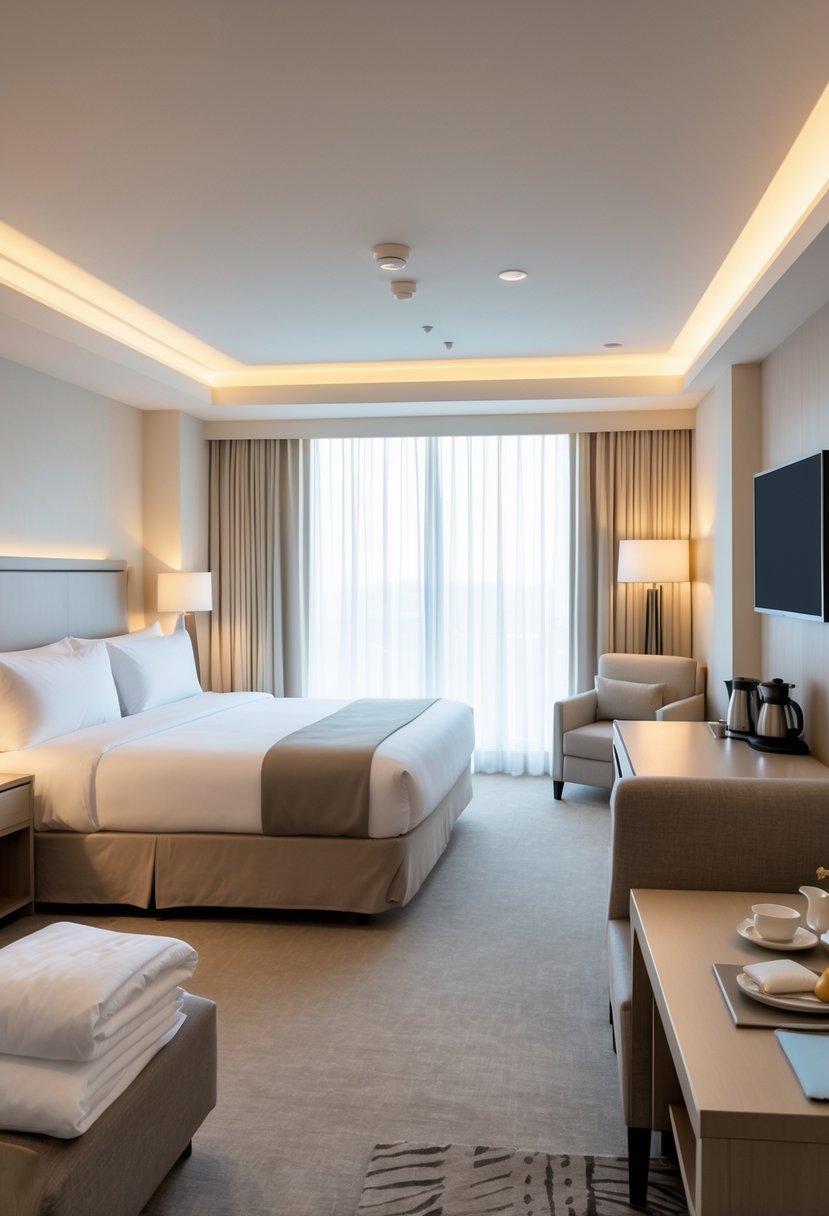
If you need to fit more guests than a hotel room allows, you’ve got options. These alternatives can keep everyone comfy, stick to safety rules, and maybe even save you cash.
Booking Multiple Rooms
Booking more than one hotel room is the simplest way to handle extra guests. Everyone gets their own space, and you stay within the rules.
Hotels sometimes offer group discounts or adjoining rooms, which keeps your group close. Booking multiple rooms also dodges extra guest fees.
This works well for families or coworkers who want privacy or separate beds. Just remember to book early—rooms fill up fast during busy times, and prices can rise if you wait.
Vacation Rentals: Airbnb and Vrbo
Vacation rentals like Airbnb and Vrbo give you more space and flexibility. You can rent a whole house, apartment, or condo with multiple bedrooms and a kitchen.
These options eliminate hotel occupancy worries and let you cook your own meals. It can feel more like home, honestly.
Still, you have to read the house rules and cancellation policies carefully. Some hosts limit guest numbers or charge extra, so clear communication before booking is a must.
Tips for Booking Hotel Rooms with More Guests

If you’re booking a hotel room for a group, clear communication and safety should be your main focus. Knowing the rules and making sure the space fits everyone comfortably can save you from headaches and surprise costs.
Communicating Needs with the Hotel
Always tell the hotel exactly how many people will be staying. This helps you pick the right room and avoid trouble at check-in.
Hotels have specific policies about guest numbers, usually tied to bed count and fire safety. If you need extra beds or cribs, ask ahead—some hotels charge for them, and it’s better to know in advance.
Ask about suites, connecting rooms, or family options if you need more space. You can also request things like kitchenettes or extra towels to make sharing a room easier.
Talking directly with the hotel ensures your needs fit their rules and helps avoid any awkwardness later.
Considering Safety and Comfort
When you pack more people into a room, safety and comfort matter most. Fire codes limit how many people can stay in a room, based on size and beds.
A standard hotel room usually fits up to four people. For bigger groups, look for suites, bunk beds, sofa beds, or connecting rooms.
Don’t try to squeeze too many people into beds or have guests sleep on the floor. It’s uncomfortable—and honestly, not safe.
Everyone sleeps better and stays safer with proper sleeping arrangements. Comfort isn’t just a nice-to-have; it’s essential when you’re traveling with a crowd.
Frequently Asked Questions

You might still have questions about hotel guest limits, extra fees, and how different hotels handle these rules. Here’s what you need to know.
What is the maximum occupancy allowed per hotel room?
Most hotels set the max occupancy based on room size and safety rules. Usually, a standard room holds up to four people.
Fire codes and hotel policies decide this limit to keep everyone safe. Bigger rooms or suites might let you bring more guests.
Are there additional fees for extra guests in a hotel room?
Most hotels charge extra if you bring more people than the standard occupancy. Those fees usually land somewhere between $10 and $50 per extra person, per night.
Some places let kids under a certain age stay for free, but adults almost always rack up an extra fee.
How do hotel policies vary for accommodating additional guests?
Budget hotels often go easier on extra guests, with looser rules and smaller fees. On the other hand, luxury hotels set stricter limits and charge more.
Big chains like Marriott or Hilton usually lay out their policies pretty clearly. Local motels or small inns? Not always so predictable.
Can children stay in the same hotel room as their parents without counting towards occupancy limits?
A lot of hotels let younger kids stay in the room without counting them as extra guests. The age cutoff and details change from one place to another.
This makes family travel a bit less expensive, but you really should double-check the policy before you book.
What are the consequences of exceeding the guest limit in a hotel room?
If you sneak in more guests than allowed, the hotel might tack on extra charges or even ask you to leave.
Hotels keep an eye on occupancy for safety and comfort. Too many people in a room can lead to security headaches and bother other guests, which nobody wants.
Do suite or family room bookings allow for a greater number of guests?
Suites and family rooms usually let you bring more people than standard rooms. Most of the time, they come with extra beds or even more than one bedroom.
If you’re traveling with a bigger group, these rooms make things way easier. You’ll all actually fit, and you won’t have to worry about breaking hotel rules.