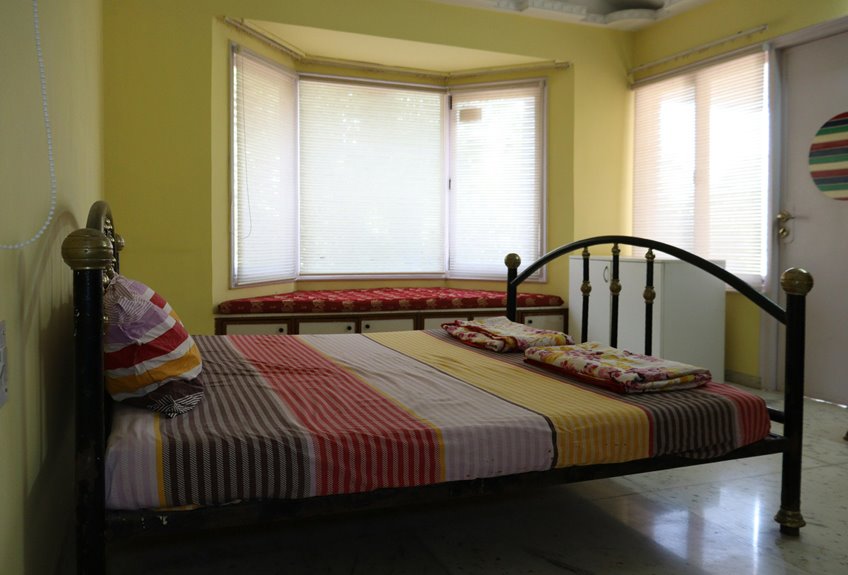
Most guest houses I’ve seen stick with one or two bedrooms—it’s the practical choice that works. A single bedroom targets couples and solo travelers, while two bedrooms give families and small groups adequate space. Studios work too if you’re going compact, around 300–500 square feet with efficient storage and multi-use furniture. The real driver? Your lot size and local codes determine what’s possible, plus your budget typically ranges from $80,000 for one bedroom to $180,000 for two. Understanding how these pieces fit together reveals better design choices.
The Standard Guest House: 1–2 Bedrooms and Why
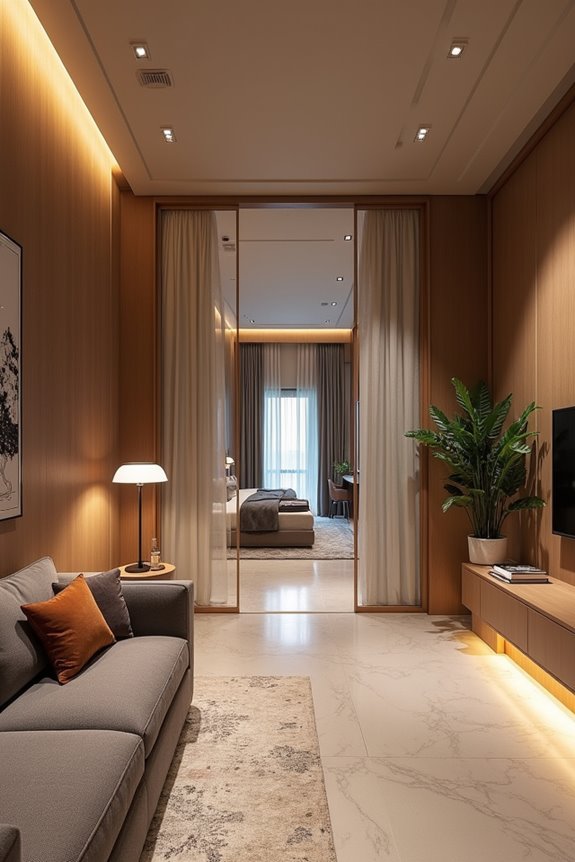
Why do most guest houses stick with just one or two bedrooms? This setup creates an intimate atmosphere that travelers value. A typical guest house with one or two bedrooms offers flexibility—one bedroom works perfectly for couples or solo travelers, while two bedrooms accommodate small families or friends traveling together. This design choice isn’t random; it prioritizes creating warm, cottage-style spaces where guests feel like they’re staying somewhere personal rather than institutional. The fewer rooms mean lower maintenance costs and easier management, which translates to better hospitality. You’re not competing with massive hotels; instead, you’re offering something warmer. This streamlined approach lets guest house owners focus on quality over quantity, so each bedroom and shared living space feels welcoming to everyone who arrives at the door.
Studio Guest Houses: Compact Efficiency for Solo Travelers
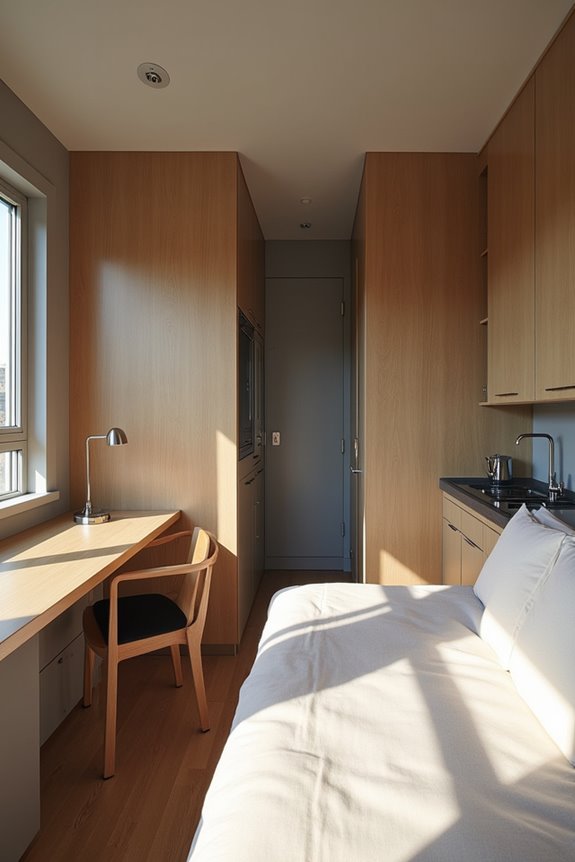
I’ll be honest—when I first considered studio guest houses, I thought they’d feel cramped, but what I’ve discovered is that their 300-to-500-square-foot layouts actually pack serious efficiency through multi-functional furniture, built-in storage, and smart space planning that eliminates wasted areas. You’re getting everything you need as a solo traveler—bed, kitchenette, bathroom, and living space—all in one well-designed room with a private entrance, which means you’ll save money without sacrificing comfort or functionality. The real appeal becomes clear when you realize that what might frustrate you in other accommodations—the lack of separate rooms—becomes the biggest advantage here, since there’s nothing to maintain except one efficient, purpose-built space that’s genuinely cost-effective.
Space-Saving Design Features
How does anyone sleep comfortably in 200–350 square feet without feeling cramped? The solution lies in clever space-saving design features that make studio guest houses functional homes. Murphy beds and wall beds fold away during the day, instantly creating usable living areas. Built-in storage—wall-mounted shelves, under-bed drawers, and fold-away furniture—keeps clutter hidden and out of sight. Multi-use pieces matter too; that sofa converts to a bed when guests arrive. You’ll notice ceilings optimized for height, maintaining roughly 8–9 feet of clear width even in narrow layouts. Every corner serves double duty in these compact spaces. The result? You’re not sacrificing comfort for efficiency; you’re gaining freedom from unnecessary square footage while keeping everything you actually need within arm’s reach.
Ideal For Solo Travelers
Studio guest houses work well for solo travelers because they focus on what matters: a comfortable bed, a functional bathroom, and enough space to feel at home without paying for rooms you won’t use.
When you’re traveling alone, you don’t need large spaces that feel empty. Instead, you’re looking for:
- A compact layout combining living and sleeping in one efficient room
- Private baths that give you genuine solitude and comfort
- Roughly 200-350 square feet of well-designed space
- Minimal but functional furnishings—bed, seating, kitchenette
This setup lets you settle in quickly, whether you’re staying two nights or two months. You’ll find yourself part of a community while maintaining the independence solo travel provides. That’s the practical appeal: you’re getting exactly what you need, nothing more, nothing less.
Cost-Effective Accommodation Option
Why do so many solo travelers skip the standard hotel route altogether? I’ll tell you—studio guest houses offer genuine value that hotels simply can’t match. You’re getting roughly 200–400 square feet of thoughtfully designed space without paying premium prices. A compact kitchenette lets you prepare meals, cutting food costs markedly. The studio layout combines your bedroom, living area, and kitchen into one efficient room, eliminating wasted hallways and unused spaces. Built-in storage maximizes every corner, so you’re not cramped despite the smaller footprint. You’ll find flexible furniture and essential amenities designed specifically for your needs. It’s not sacrifice—it’s smart planning. Lower nightly rates mean you’re keeping more money for experiences, not just accommodation. That’s belonging to a community of savvy travelers who value practicality over luxury.
1-Bedroom Layouts: Room Counts for Couples and Small Groups
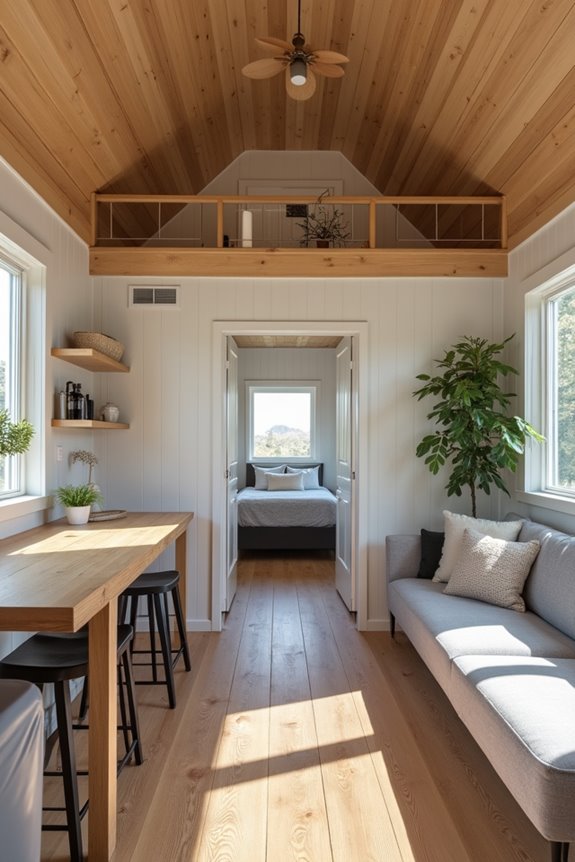
I’ve found that 1-bedroom guest houses work well for couples and small groups who want more space than a studio but don’t need a sprawling layout. These rooms typically pair a dedicated bedroom—usually 120 to 160 square feet—with a combined living and dining area, plus a bathroom and kitchenette, giving you distinct zones without feeling cramped or wasteful. What I appreciate is how flexible designers make these spaces: they’ll add a sofa bed or Murphy bed so you can host an extra guest when needed, accommodating three or four people comfortably.
Single Bedroom Configurations
How do couples and small groups actually live in guest houses without feeling cramped? Single-bedroom configurations work well when designed thoughtfully. Here’s what makes them functional:
- One private bedroom with an ensuite bathroom for sleeping and personal space
- An open-plan living area combining kitchen and lounge for shared gatherings
- A convertible sofa bed in the living space for extra guests when needed
- Compact kitchenette setup that doesn’t require a separate dining room
The single-bedroom guest house approach creates intimacy without sacrifice. You’re getting dedicated rest space while maintaining communal areas where you’ll actually spend time together. These configurations respect both privacy and connection—exactly what small groups need. This balance makes a simple rental into a genuine retreat where everyone feels welcomed and comfortable.
Couples And Small Groups
While single bedrooms work well for one person or a couple seeking simplicity, most travelers need more flexibility when sharing a space. Guest houses catering to couples and small groups typically feature 1 to 2 bedrooms, with thoughtful layouts that provide comfort.
| Configuration | Best For |
|---|---|
| Master bedroom + twin room | Couples with visiting family |
| Master suite + sofa bed | Small groups seeking privacy |
| Double + double setup | Two couples traveling together |
| Master + guest room | Flexible occupancy needs |
| Open living with bedroom | Budget-conscious travelers |
The master bedroom usually includes a private en-suite bathroom, while additional bathrooms serve shared spaces. Many guest houses offer flexible arrangements—perhaps a master bedroom paired with a twin or double room. This balances privacy with togetherness, allowing you to enjoy independence without sacrificing connection. You’ll benefit from having dedicated bathroom access and distinct sleeping zones when traveling with others.
Layout Flexibility And Design
When you’re planning a stay with a partner or small group, the way your guest house is laid out affects how comfortable you’ll actually feel. Smart design matters significantly. Here’s what you’ll typically encounter:
- Single bedroom with private bath—suitable for couples seeking intimate space
- Two-bedroom configuration with shared living area—ideal for small groups needing separation
- Open-concept kitchen connecting to common spaces—encouraging togetherness without feeling cramped
- Separate sleeping zones from communal areas—balancing privacy and community
The layout flexibility in guest houses lets you create your own rhythm. You’re not forced into rigid arrangements; instead, you get to choose how much togetherness or privacy suits your group. This thoughtful design approach is why guest houses feel welcoming—they adapt to your needs, not the other way around.
2-Bedroom Guest Houses: Space for Families and Longer Stays
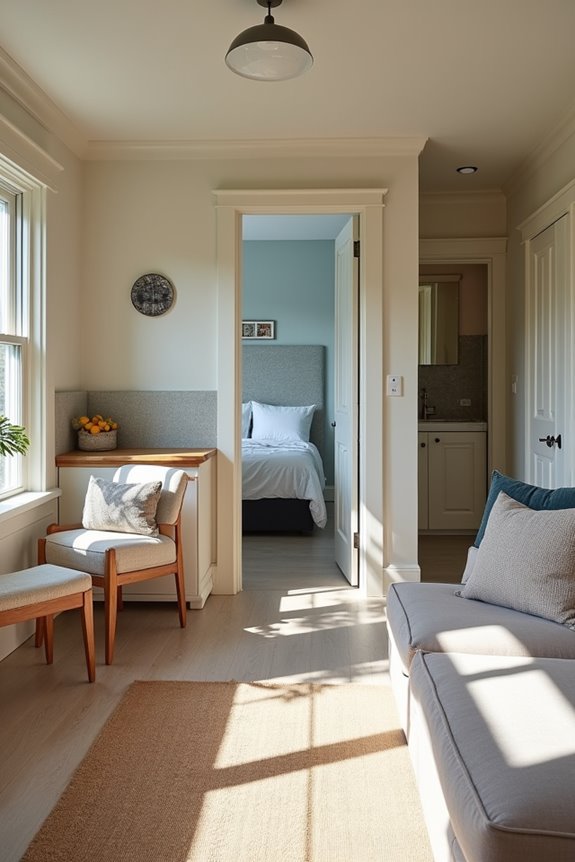
Why do so many families choose 2-bedroom guest houses over single-bedroom options? You get flexibility that actually matters. Having two separate bedrooms creates useful separation—one for couples, another for kids or visiting friends. Your living space expands your options too, typically ranging from 600 to 1,000 square feet depending on design.
These guest houses include practical amenities: a private or shared bathroom and a compact kitchen or kitchenette perfect for meal prep during extended visits. The layout supports longer stays comfortably, which means you’re not cramped or fighting over space. This arrangement accommodates family dynamics without tension. Whether hosting grandchildren for summer or welcoming friends for a week, you have room to spread out and genuine comfort. That’s the real appeal here.
How Lot Size and Local Codes Constrain Room Count?
Your three-bedroom retreat plans might face constraints once you review your local zoning laws.
Your lot size directly impacts what’s possible. Local zoning constrains room count through specific requirements:
- Maximum square footage limits (often 600–1,000 sq ft) prevent full-dwelling conversions
- Setback requirements reduce usable building footprint on your property
- Minimum bedroom sizes mandate adequate space per sleeping area
- Occupancy caps restrict total residents allowed in the structure
These regulations exist to maintain neighborhood character and prevent overcrowding. I’ve seen promising designs get scaled back because codes required larger setbacks than expected. Your guest house becomes a puzzle—fitting maximum functionality within these boundaries. Understanding your local zoning early saves time and money during planning.
Matching Square Footage to Bedroom Count: A Planning Framework
How do you actually figure out what fits in your guest house—and what doesn’t? I’ve learned that square footage and bedroom count work together like puzzle pieces. Designers use a simple framework: plan for 100–350 square feet per bedroom. So a 600–900 square foot guest house typically gives you two bedrooms, while a 1,000 square foot unit might stretch to include two bedrooms plus living and kitchen space. Larger properties around 1,200–1,500 square feet can comfortably fit three bedrooms. The trick is flexibility—I’ve seen multipurpose rooms converted into bedrooms when needed. Understanding this relationship helps you maximize your space without feeling cramped or wasteful.
Designing for Income: Room Counts That Support Airbnb and Rental Income
When you’re building a guest house with rental income in mind, every square foot becomes an investment decision, and I’ve found that the room layout matters just as much as the total size. You want designs that maximize what guests will pay nightly, so here’s what actually works:
- Two to three bedrooms plus a living area for Airbnb optimization
- One bedroom with private bath for smaller, budget-conscious properties
- Two bedrooms, one bathroom with compact kitchen for balanced privacy
- Separated sleeping quarters from living spaces for flexible pricing strategies
The key is thinking like your future guests. When you separate these zones intentionally, you’re not just adding rooms—you’re creating rental income opportunities. A well-planned guest house layout gives your property the structure needed to attract bookings and generate consistent revenue.
Budgeting for Your Room Count: Cost Ranges by Bedroom Configuration
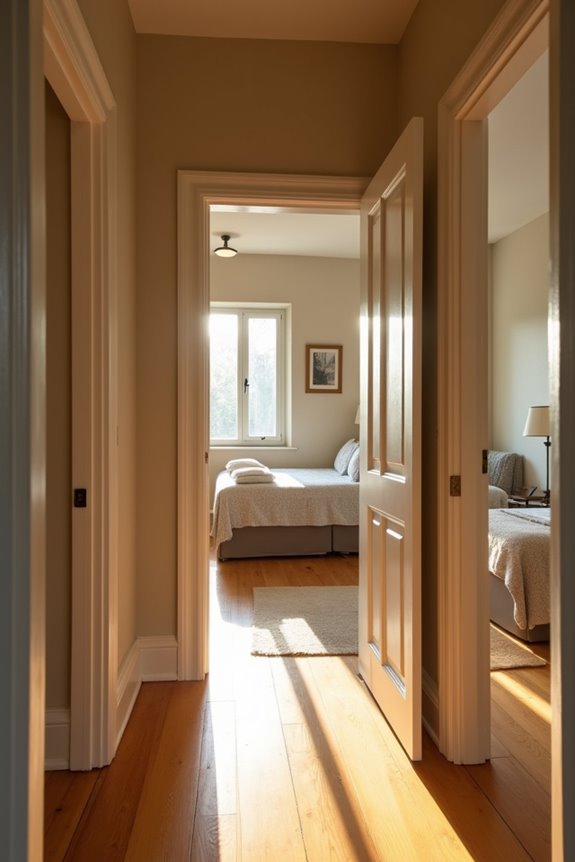
Once you’ve settled on your layout—whether that’s two bedrooms for rental optimization or three for maximum income potential—the actual cost of building it out becomes your next reality check. A 1-bedroom guest house typically runs $80,000 to $120,000, which works for starter projects. Two-bedroom configurations jump to $120,000–$180,000 because you’re adding square footage, plumbing, and electrical work. Three-bedroom units land around $180,000–$225,000 for basic builds. Your bedroom count directly shapes your budget, and location amplifies these numbers significantly. Urban areas cost considerably more than rural settings. Whether you’re building new or converting existing space also changes your bottom line. These ranges aren’t fixed—they shift based on finishes and whether your guest house stands alone or attaches to another structure.