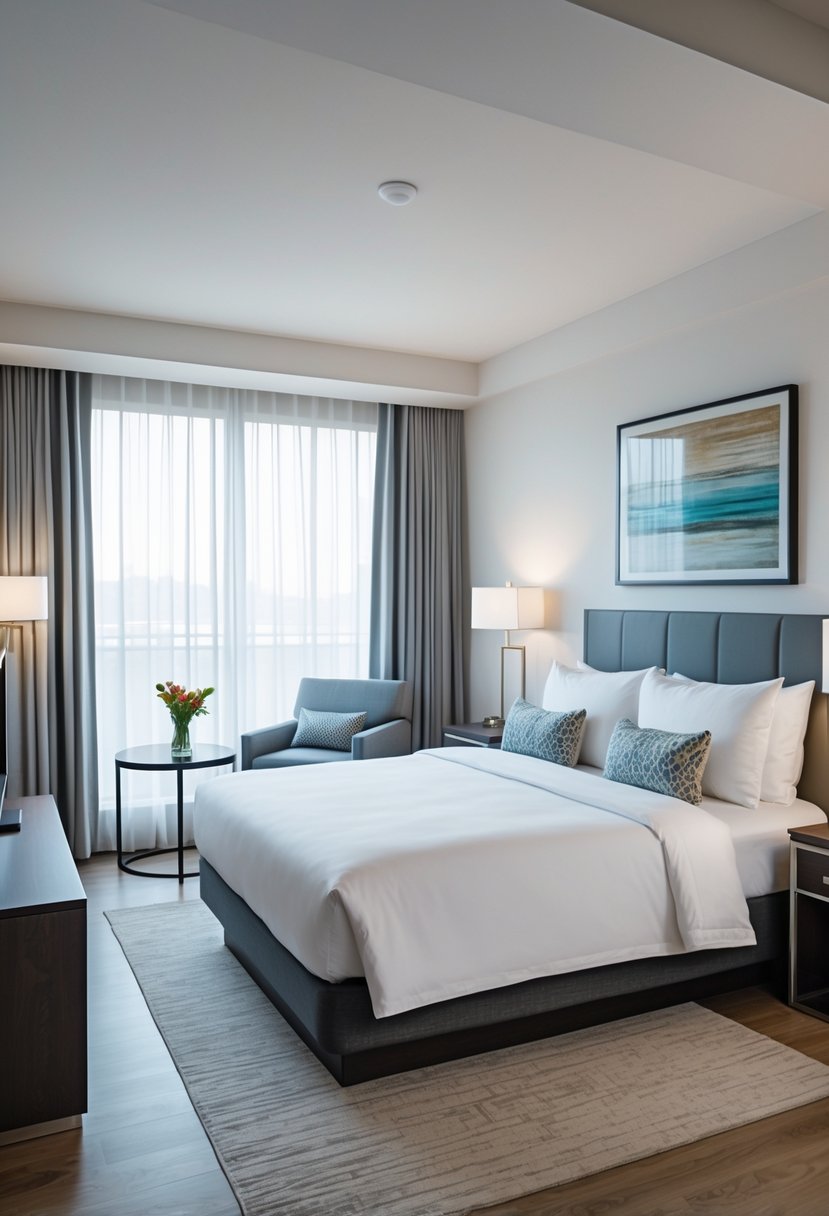
A guest room at a hotel is a private space for travelers to rest, relax, and feel at ease during their stay. It usually comes with a bed, furniture, and basic amenities to cover essential needs.
These rooms can look very different depending on the hotel’s style and the types of guests they want to attract. Some are simple, while others pack in a bit of luxury.
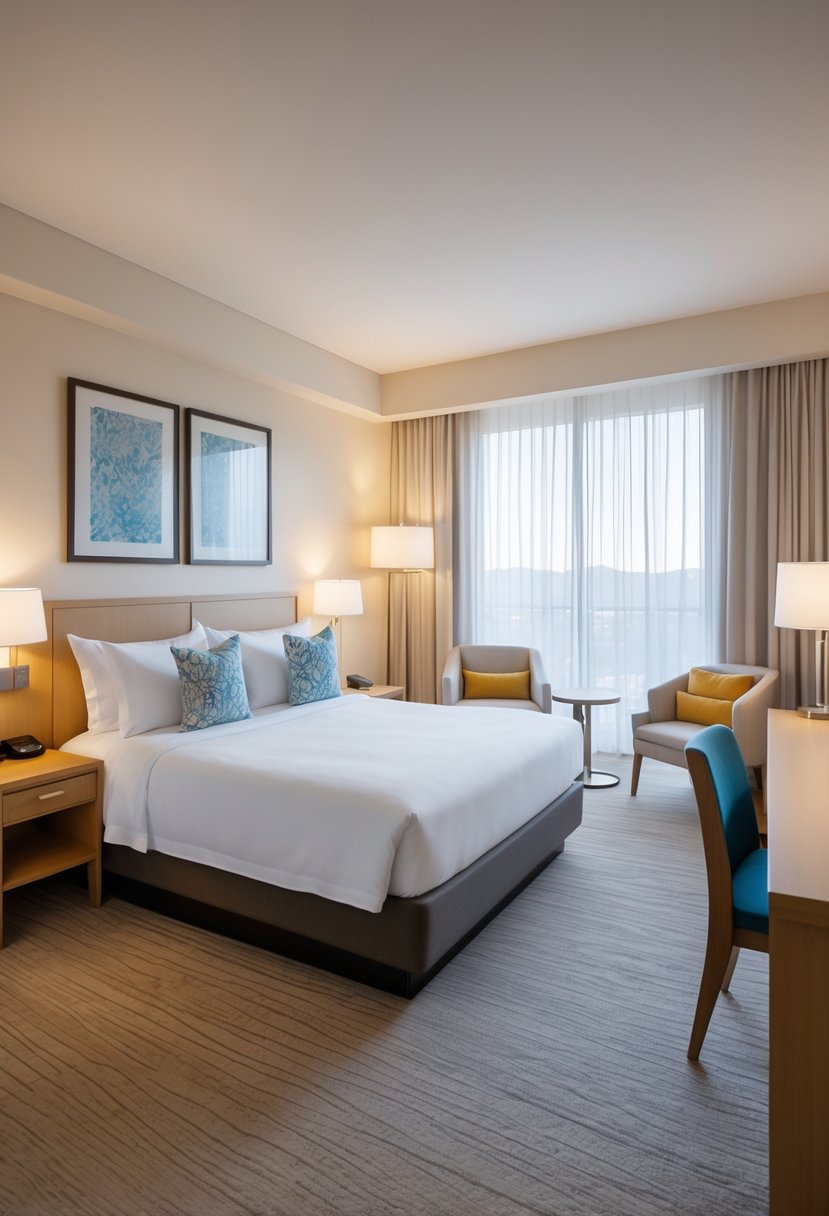
We often picture a guest room as just a place to sleep, but it’s really a private spot where you can unwind and feel secure. Many hotels add extras like a seating nook or better tech to make your stay smoother.
Definition and Core Purpose of a Guest Room
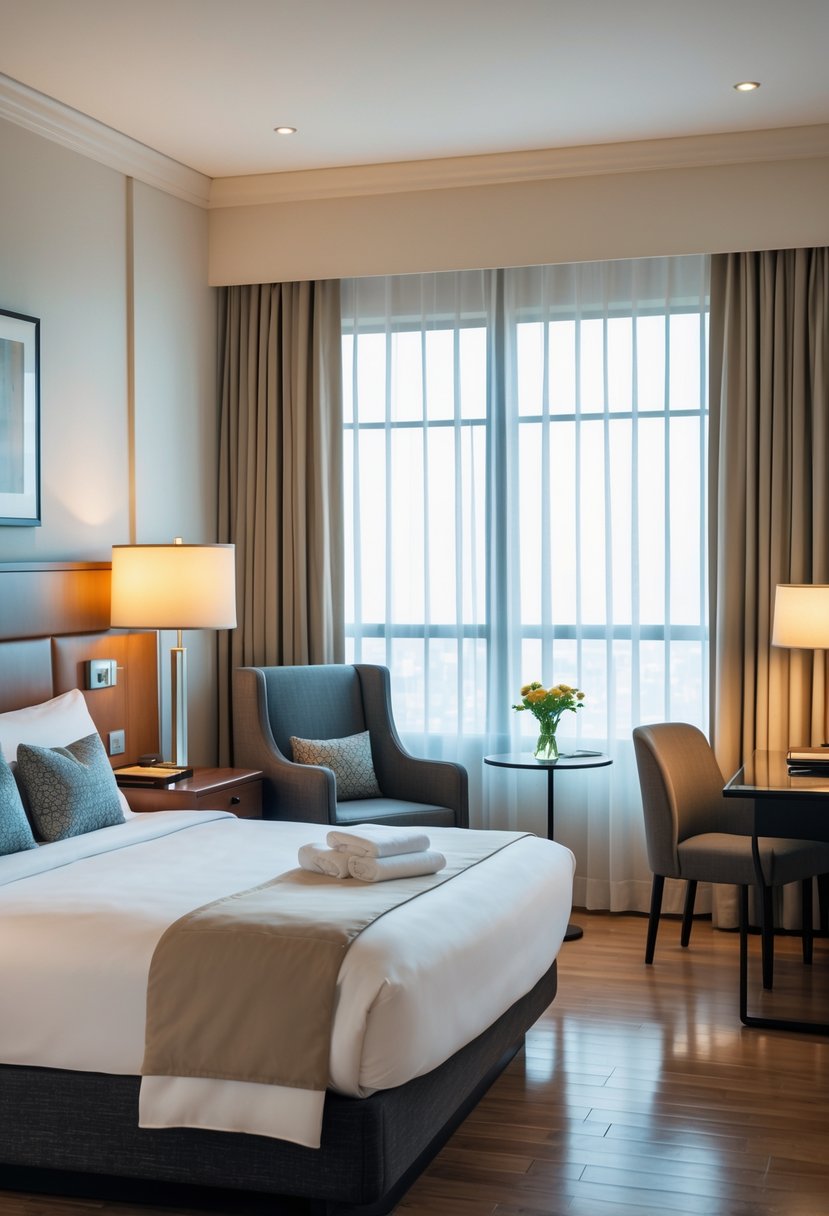
A hotel guest room gives visitors a private, comfortable space during their stay. It’s meant for temporary use, blending basic living needs with privacy and convenience.
The idea is to help guests unwind and recharge, even if they’re far from home.
What Makes a Guest Room Distinct in Hotels
Hotel guest rooms stand out because they’re set up for short-term stays. You’ll find a bed, some seating, storage, and usually a private bathroom.
The design focuses on comfort and practical use, letting folks relax without too many distractions.
You’ll get things like climate control and lighting for different moods, plus soundproofing for peace and quiet. Safety is built in—secure locks and key cards are standard.
Temporary Home for Travelers
Guest rooms act as a home base while you’re away. They’re supposed to feel cozy, with touches like a TV, Wi-Fi, and maybe a small work desk.
Hotels try to add personal touches: better bedding, nice toiletries, or thoughtful extras. The goal is to make guests feel settled and ready for whatever brings them to town.
Types of Guest Rooms Offered in Hotels
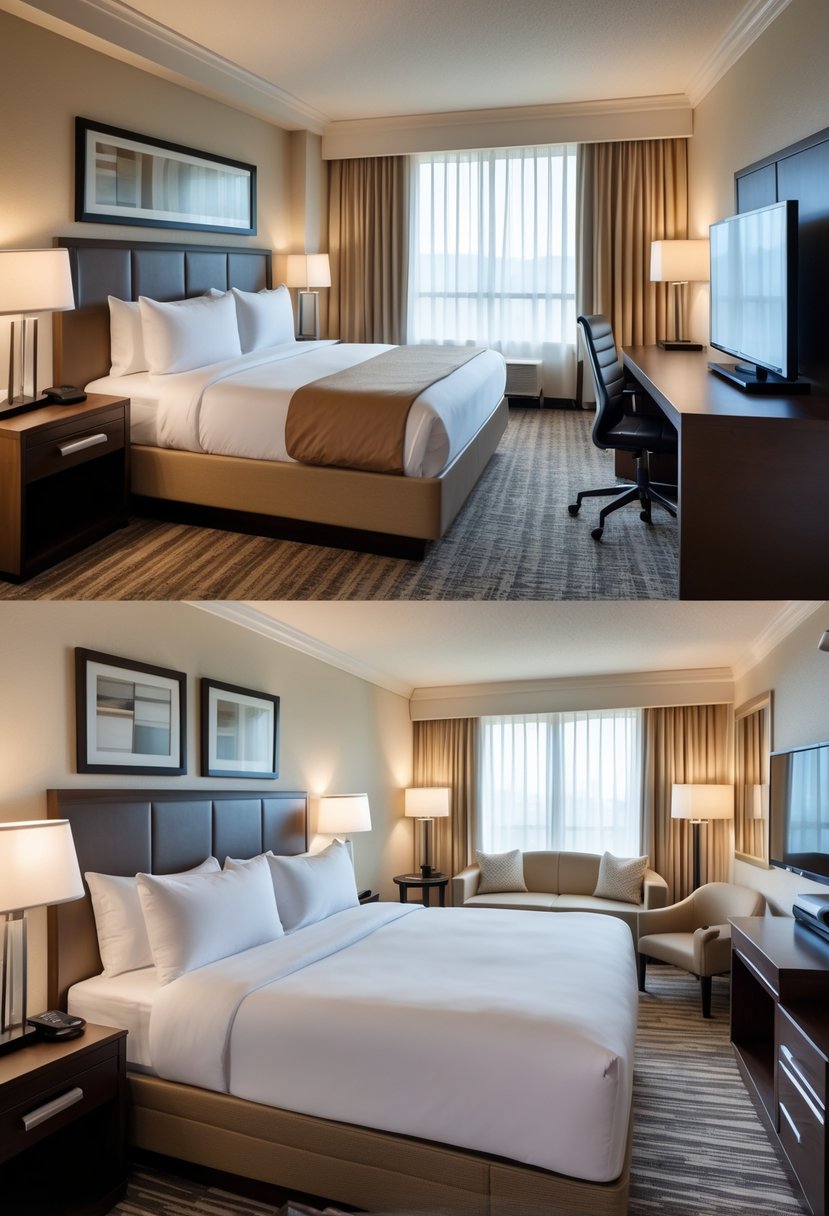
Hotels offer all sorts of guest rooms to fit different needs and budgets. Rooms vary by size, bed setup, amenities, and comfort level.
Knowing the main types can help you pick what works for your trip, whether you’re traveling for work, with family, or just for fun.
Standard Room Varieties: Single and Double
Standard rooms make up most of a hotel’s rooms. A single room is for one person—usually with a single or small double bed, a bathroom, and a desk.
These are perfect for solo travelers or business guests who just want a simple, affordable spot.
A double room is for two people. You’ll get either one big bed (like a queen or king) or two twins.
Hotels sometimes call them “Queen Room” or “Twin Room” to keep it clear. These rooms are basic but comfortable, focusing on what you really need for a short stay.
Suites and Premium Accommodations
Suites are a step up. They come with separate living and sleeping spaces, more room, and better furniture.
A junior suite is a smaller version, maybe with a sitting area or nicer decor. Fancier suites—like presidential or penthouse—can have multiple rooms, luxury extras, and even private terraces.
Suites work well for families, business travelers, or anyone celebrating something special.
Specialty Rooms: Family, Connecting, and Extended Stay
Specialty rooms cover specific needs. Family rooms give you extra beds or sofa beds and more space for everyone to spread out.
Connecting rooms let families or groups stay close—there’s a door inside that links two rooms. Adjacent rooms are next to each other but don’t connect, so you’re close but still have privacy.
For longer trips, extended stay rooms or apartment-style setups offer kitchenettes and living areas. These are great for business travelers or families who want a more home-like vibe.
Essential Features and Amenities in a Guest Room
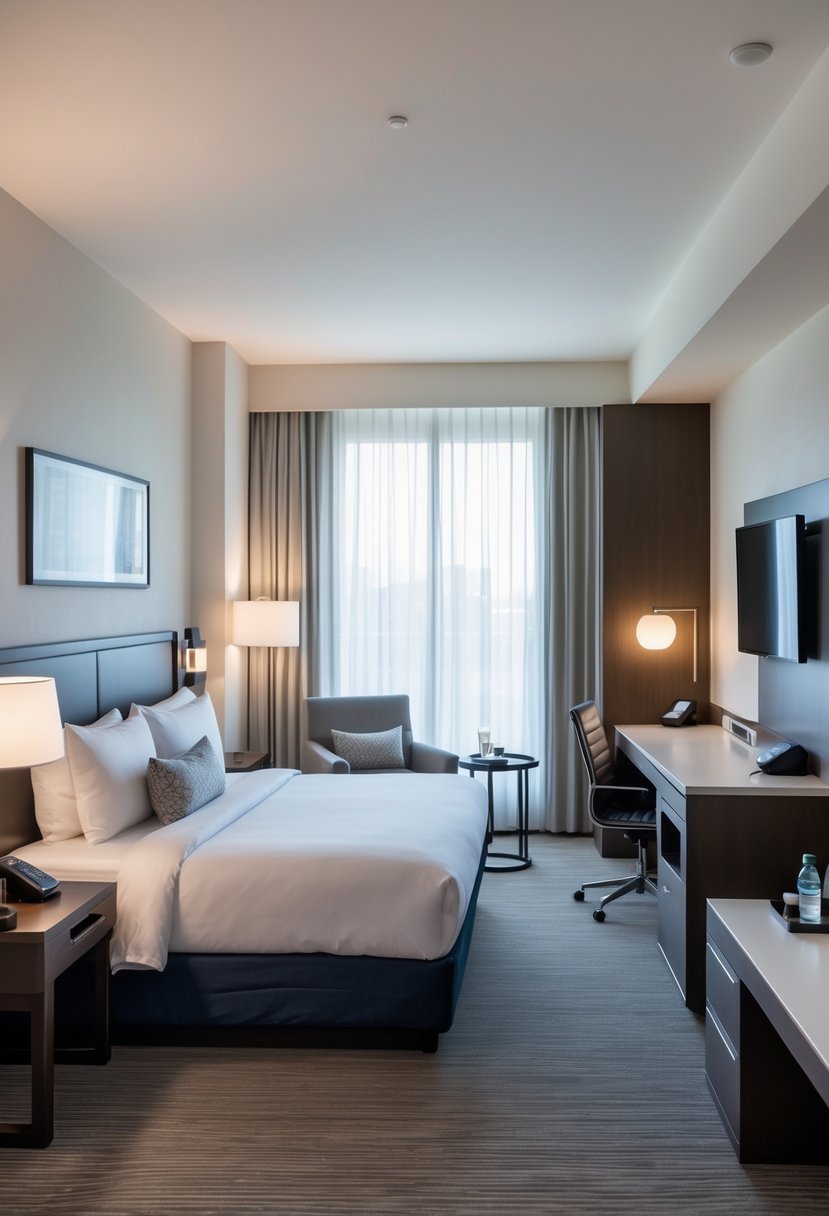
A good guest room covers the basics: comfort, convenience, and safety. The right furniture, technology, and security features all matter.
Guests should feel like they can relax, get work done, and sleep well.
Comfort and Furnishings
Comfort starts with the bed—no surprise there. We pick mattresses with decent support and use soft, hypoallergenic bedding.
Pillows and linens make a difference for a good night’s sleep.
Furniture should be practical and inviting. Besides the bed, you’ll find nightstands, a desk, and maybe a comfy armchair.
We like to add soft lighting and temperature controls, plus small touches like rugs to make the space feel warmer.
Storage is a must. Closets or wardrobes come with hangers and shelves, and sometimes you get a bench or ottoman with hidden storage.
In-Room Facilities and Technology
Hotel rooms need to make your stay easier. Most have private bathrooms with clean towels and basic toiletries.
Mini-fridges and coffee makers are common in many places.
Tech is everywhere now. We make sure there’s solid Wi-Fi, smart TVs, and easy-to-reach outlets for your devices.
Some rooms come with voice assistants or keyless entry—handy, but not everyone needs them.
Lighting should work for different needs: bright for working, soft for winding down. Adjustable options let you set the mood.
Safety and Security Measures
We take security seriously. You’ll find secure locks or electronic key cards on the doors, and usually a safe for valuables.
Soundproofing helps keep things private and quiet. Good window coverings let you control light and keep your room private.
Fire safety is a given—smoke detectors, sprinklers, and regular checks to make sure everything works.
Guest Room Design Principles and Trends
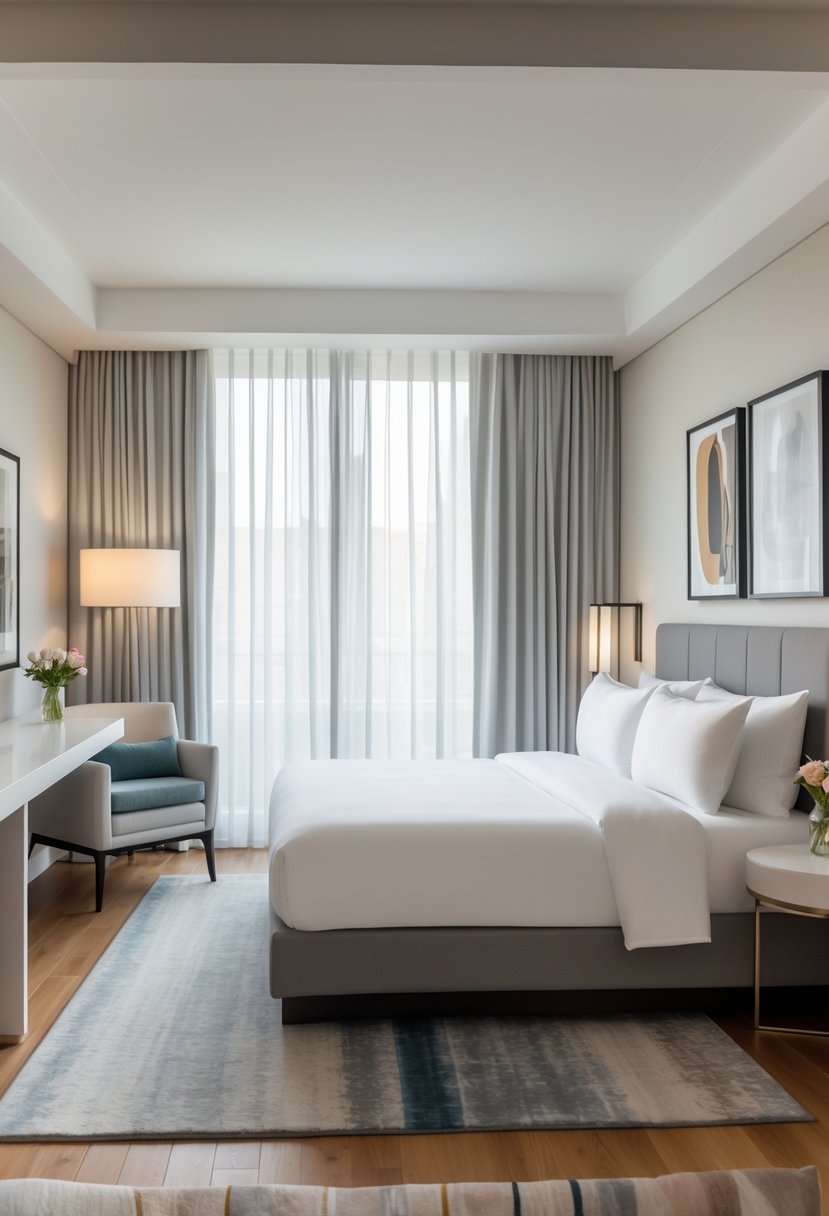
Guest room design these days is all about making spaces that feel both useful and inviting. We try to balance comfort and tech, and we’re always paying attention to what guests want.
Modern Guest Room Design
Modern rooms lean into smart tech and flexibility. You’ll see adjustable lights, voice controls, and smart TVs with streaming.
People want to feel at home and in control.
Furniture often does double duty. Desks can turn into dining tables or workspaces to save space.
We focus on layouts that make it easy to move around, and we pick bedding and soundproofing that actually help you rest.
Personalized and Sustainable Elements
Personalization is a big deal now. Guests want to set their own temperature, lighting, and entertainment.
Some rooms have digital art or smart mirrors with news and weather—fun, but maybe not for everyone.
Sustainability matters, too. Hotels use energy-efficient lights, low-flow faucets, and eco-friendly materials.
We add recycling bins and try to use decor that reflects the local culture, so guests feel a connection to the place.
The Role of Housekeeping in Guest Room Experience
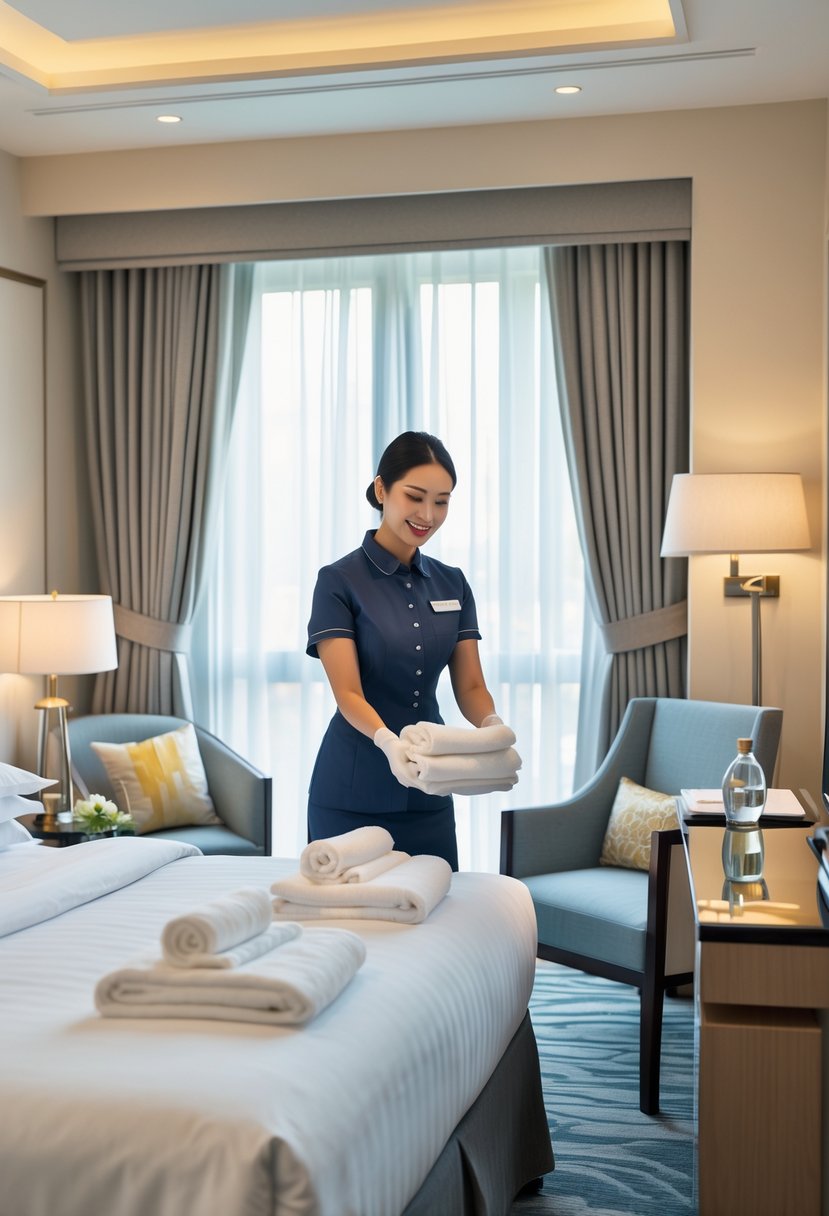
Housekeeping has a huge impact on how guests feel in their rooms. Clean rooms and quick fixes can really make or break a stay.
Cleanliness Standards
We set high standards for cleanliness. That means dusting, vacuuming, and changing bed linens every day.
Bathrooms get extra attention—sanitizing sinks, showers, and toilets to keep things fresh. We restock towels and toiletries so guests always have what they need.
Our team follows checklists to make sure nothing is missed. Clean carpets, polished surfaces, and a tidy bed go a long way.
Maintenance and Guest Satisfaction
Housekeeping also keeps an eye out for problems. If a lightbulb’s out or the faucet leaks, we report it right away.
Fixing little things quickly keeps rooms comfortable and stops bigger problems from popping up.
We listen to guest requests, too. Need extra pillows or a working air conditioner? We try to sort it out fast.
How Guest Rooms Influence the Hotel Stay
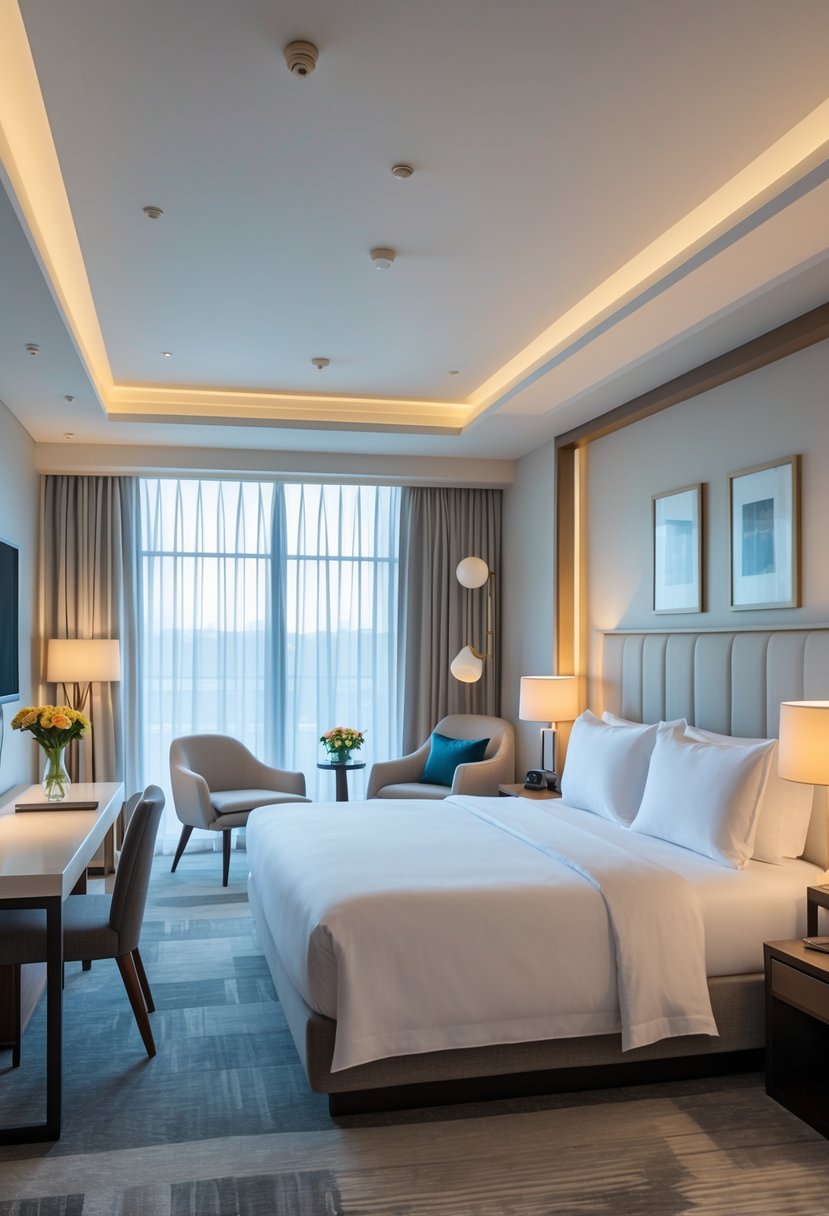
Guest rooms have a huge effect on the overall hotel experience. Comfort, convenience, and quality shape how people feel about their stay.
Guest Satisfaction and Loyalty
Travelers spend most of their time in their rooms, so comfort really matters. A cozy bed, quiet space, and useful things like Wi-Fi and chargers help guests feel welcome.
Cleanliness and maintenance make a big difference, too.
When guests feel good about their room, they’re more likely to come back. Consistent quality and quick help with problems build loyalty and lead to better reviews.
Importance for Hotel Reputation
Guest rooms show off a hotel’s standards right away. If the room’s in bad shape, word gets out fast.
Great rooms boost a hotel’s reputation and help attract new guests. People share their experiences online, so what happens in the guest room really matters.
Hotels that keep up with design and maintenance show they care about quality. Offering different room types and making sure everyone can find something that works for them is just smart business.
Frequently Asked Questions
Lots of guests ask what’s included in their rooms, how big the rooms are, and if they can get extra beds or cribs. People also want to know about safety features and what kind of cleaning or maintenance they can expect.
What amenities are typically included in a hotel guest room?
Most guest rooms have a comfy bed, nightstands, a desk, and a TV. Private bathrooms are standard, and you’ll usually get Wi-Fi, a coffee maker, and sometimes a minibar.
How does the size of a guest room affect the overall hotel experience?
Bigger rooms give you more space to spread out, maybe with extra seating or a work area. Smaller rooms can feel cozy, but they sometimes get cramped—especially if you’re staying longer or have more people.
What are the differences between a standard room, a suite, and a deluxe room?
Standard rooms are basic, with one or two beds and simple furniture. Deluxe rooms are larger and have better furniture or nicer views.
Suites come with separate living spaces and more extras, like a sitting area or even a kitchen.
Can additional beds or cribs be requested for a hotel guest room?
Yes, most hotels let you request extra beds or cribs. There’s usually a fee, and it’s best to ask ahead of time.
What security features are common for guest rooms in hotels?
Guest rooms usually have electronic key cards, peepholes, and door locks. Many hotels offer a safe for valuables and use security cameras in the hallways for extra peace of mind.
What should be expected in terms of services and housekeeping for hotel guest rooms?
Housekeeping staff typically clean rooms every day. They’ll swap out your linens, restock toiletries, and make sure things work as they should.
If you need something extra, like a late cleaning or a specific request, just ask. Most hotels have their own rules, but they’re usually happy to help if you reach out.