
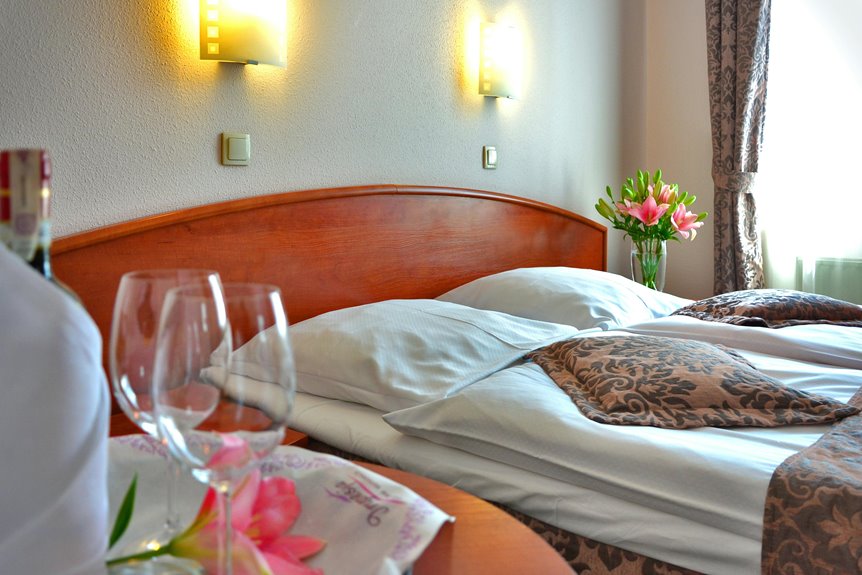
A hotel guest room is your private sleeping space designed for short-term stays, built around essentials: a quality bed, private bathroom, and thoughtful amenities.
You’ll find different layouts—from compact standard rooms to spacious suites—each tailored to your occupancy needs and preferences.
The bed configuration matters; whether you’re solo, a couple, or a family affects your comfort directly.
Core elements like reliable Wi-Fi, climate control, and proper storage create functional temporary quarters.
What defines your experience depends on how well these pieces align with what you actually need.
What Is a Hotel Guest Room?
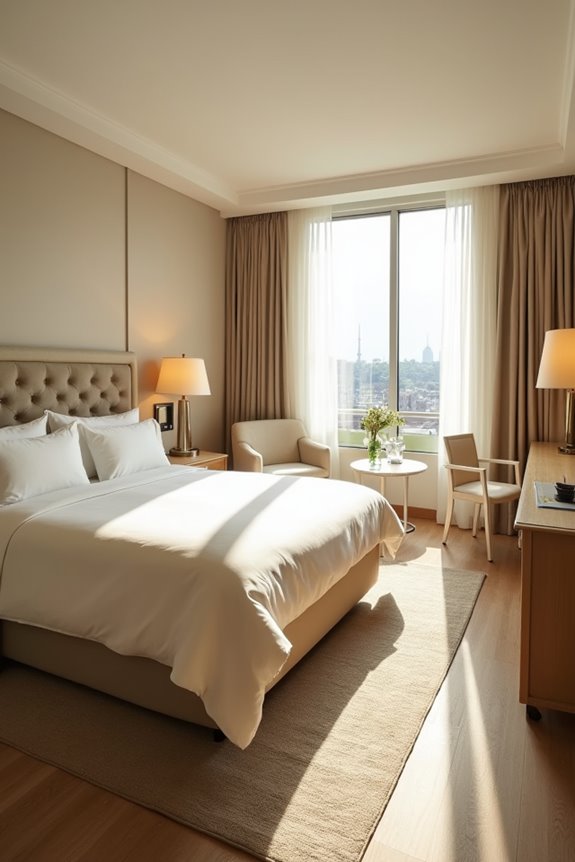
A hotel guest room—your temporary home away from home—is fundamentally a private sleeping space designed for short-term stays. Understanding what makes a guest room work helps you choose the right hotel experience. Each room includes essential sleeping accommodations and a private bathroom, but that’s just the foundation. Room types vary significantly based on occupancy levels and bed configuration options like twins, queens, or kings. Hotels offer different amenities depending on whether you’re booking a standard room, deluxe option, or suite with a living area. Accessibility features accommodate all guests during their stay, while connecting rooms let families stay together. Special designations—pet-friendly, smoking preferences, adjacent spaces—cater to diverse guest needs. Ultimately, a guest room represents your personal retreat during your hotel stay.
Why Do Guest Rooms Matter to Your Stay?
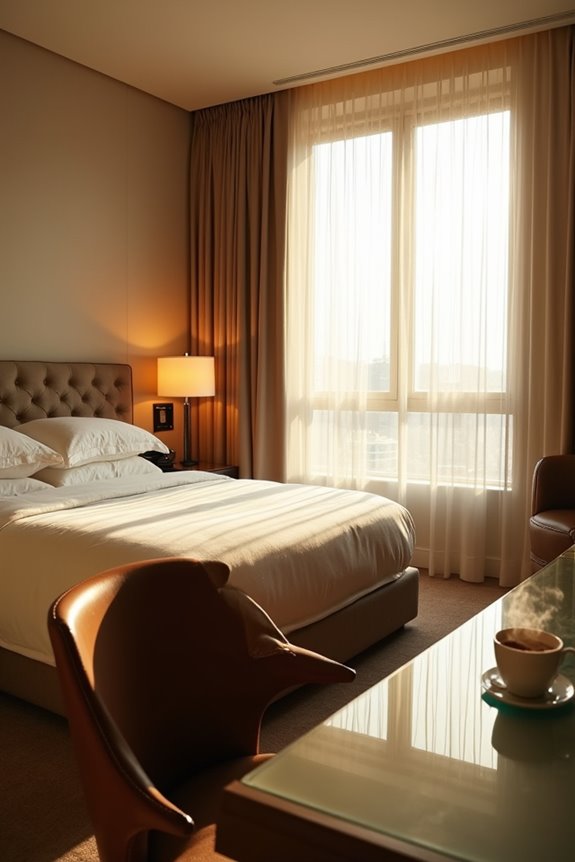
Why does the right guest room matter so much to your hotel experience? It shapes everything. When you choose a room matching your occupancy needs and bed configuration, you’re setting yourself up for comfort. The layout determines how you’ll move through your space; a suite gives you separate living and sleeping areas, while a studio keeps everything compact. Room types directly affect guest convenience—accessible rooms remove barriers, pet-friendly options let you bring family, and connecting rooms suit groups needing proximity. Your bedding options influence sleep quality, policies govern what you can do, and room amenities enhance daily life. These details aren’t trivial. They’re the difference between feeling cramped and frustrated versus relaxed and at home during your stay.
What Are the Core Elements in Every Guest Room?
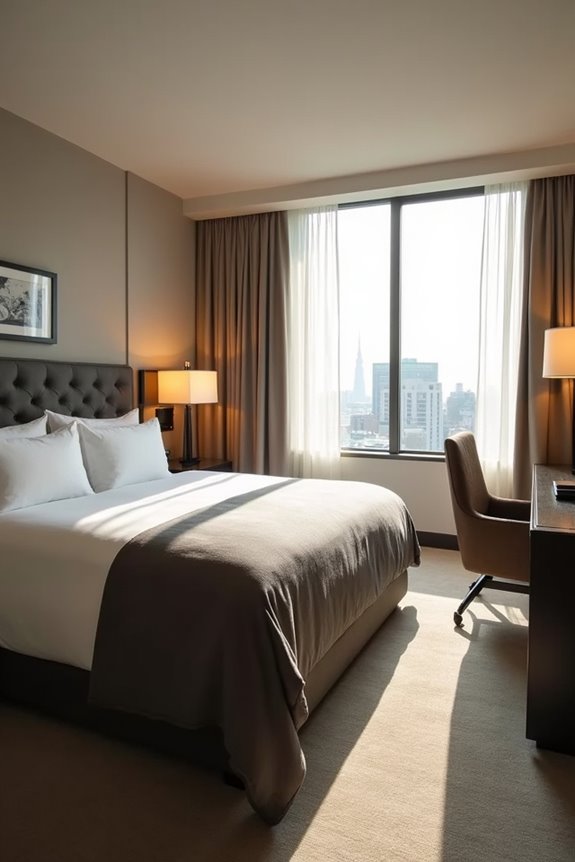
I’ve learned that what separates a forgettable night from a restful stay comes down to the essentials you’ll find in every well-designed guest room—starting with the bedroom itself, where a quality mattress, crisp linens, and supportive pillows become your foundation for sleep. Beyond that, I’ve noticed how bathrooms set the tone with modern fixtures and thoughtfully sourced bath products, while practical touches like accessible storage, reliable Wi-Fi, and convenient in-room coffee service make a room more livable. These core elements work together, and when hotels nail these fundamentals, everything else about your stay feels better.
Essential Bedroom Components
When you walk into a guest room, what makes you feel welcomed? It’s the essentials that matter most. A quality bed with premium linens and plush pillows sets the foundation for restful sleep. You’ll appreciate a private bathroom equipped with stylish fixtures and thoughtful toiletries. Smart storage keeps your belongings organized, while a comfortable seating area provides a retreat space.
| Feature | Why It Matters | What to Look For |
|---|---|---|
| Bed Quality | Determines sleep quality | Premium mattress, luxury linens |
| Lighting | Creates ambiance and function | Adjustable, ample brightness |
| Coffee/Tea | Starts your day right | In-room facilities, quality options |
Reliable Wi-Fi connects you to what matters, and adequate storage prevents feeling cramped. These components work together, creating a room that serves as your personal sanctuary.
Bathroom and Amenities Standards
Beyond the bedroom itself, your bathroom experience makes or breaks a hotel stay—and hotels know it. You’ll find a private bathroom equipped with quality fixtures, modern in-room lighting, and thoughtfully selected hotel toiletries that enhance your routine. The shower and bath setup matters; you’re looking for water pressure that performs and finishes that feel premium, not cheap. Vanity and storage space lets you organize your belongings without clutter, while fresh towels and linens signal attention to bathroom cleanliness. The bathroom design reflects the hotel’s character—whether that’s sleek contemporary or warm rustic. When everything’s clean, well-lit, and stocked with quality amenities, you feel cared for. That’s when a room becomes more than functional, making you want to return.
How Do Occupancy and Bed Type Affect Room Selection?
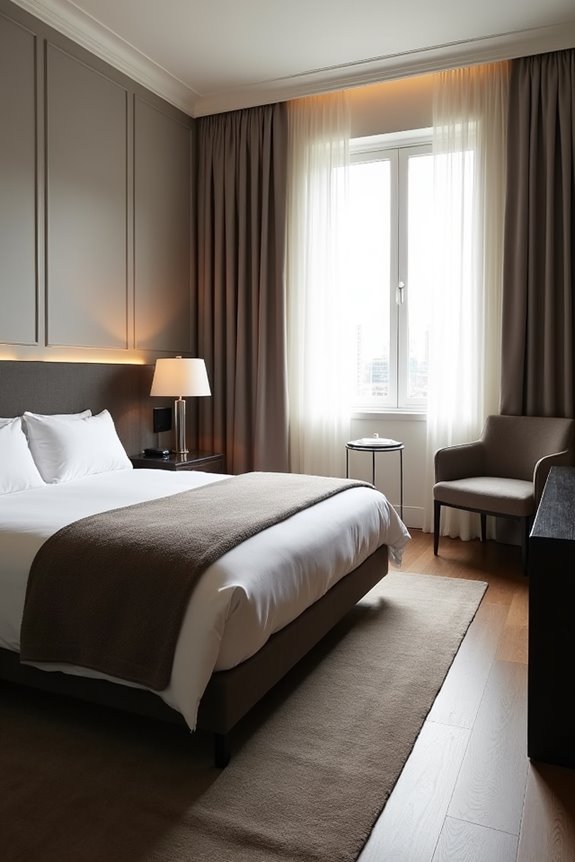
Why does a hotel’s naming system matter so much when you’re booking? When you’re choosing your room, occupancy and bed configuration directly shape your comfort and experience. A single room with a king bed suits one person well, while a double room offers two beds or one large bed for couples. Triple rooms give you three sleeping spaces—think twin beds plus a double—so three guests have adequate room. Quad rooms, typically featuring two doubles or queens, work well for families. Understanding these room types prevents booking disappointment. Twin beds, queen beds, and king beds each serve different needs. When you match your group size with proper sleeping arrangements, you’ll experience better rest and genuine relaxation during your stay.
What Layouts Exist, From Standard to Suite?
How you’ll actually spend your time in a hotel room depends entirely on its layout, and that’s where things get really interesting. Understanding your options allows you to pick what fits your needs.
Hotel room layouts range from basic to luxurious, with distinct differences that help you find the right fit. A standard room provides bedroom and bathroom essentials. Suites offer separate living areas with kitchenettes. Studio rooms combine sleeping and living in one open space. Junior suites provide smaller living areas, while apartment-style layouts deliver full kitchens and laundry facilities. For groups, connecting rooms work well. Standalone cabanas offer maximum privacy and independence.
| Layout Type | Key Features | Best For |
|---|---|---|
| Standard Room | Bedroom, bathroom | Solo travelers |
| Suite | Separate living area, kitchenette | Families, longer stays |
| Studio | Open living/sleeping space | Budget-conscious guests |
| Junior Suite | Smaller living area | Couples |
| Apartment-Style | Full kitchen, laundry | Extended stays |
| Connecting Rooms | Adjacent units | Groups, families |
Which Special Features Enhance Comfort and Accessibility?
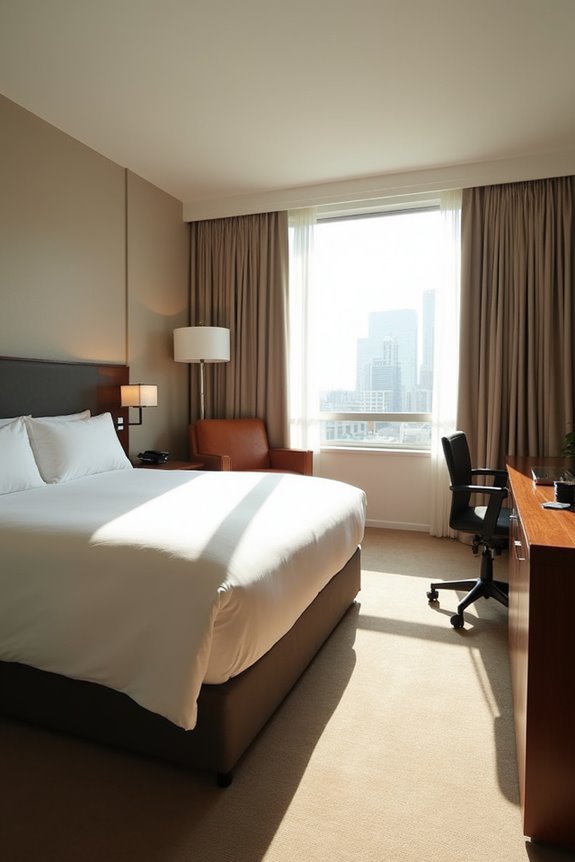
When you’re booking a hotel room, you’ll quickly realize that one-size-fits-all doesn’t actually work for most travelers—and that’s exactly why hotels have started offering specialized features that make a real difference in how comfortable your stay becomes.
Accessible rooms follow ADA guidelines, featuring wider pathways, lower countertops, and accessible bathrooms designed for ease of movement. Pet-friendly rooms welcome your furry companions, though policies vary by property. You’ll find smoking and non-smoking designations protecting both your preferences and safety. Connecting rooms link side-by-side through interior doors, perfect for families needing togetherness without sacrificing privacy. Special suites—executive, honeymoon, presidential—deliver enhanced amenities and larger layouts tailored to your specific needs. These adjustable features and guest room amenities make your stay more comfortable and accommodating.
How Do You Choose the Right Room for Your Needs?
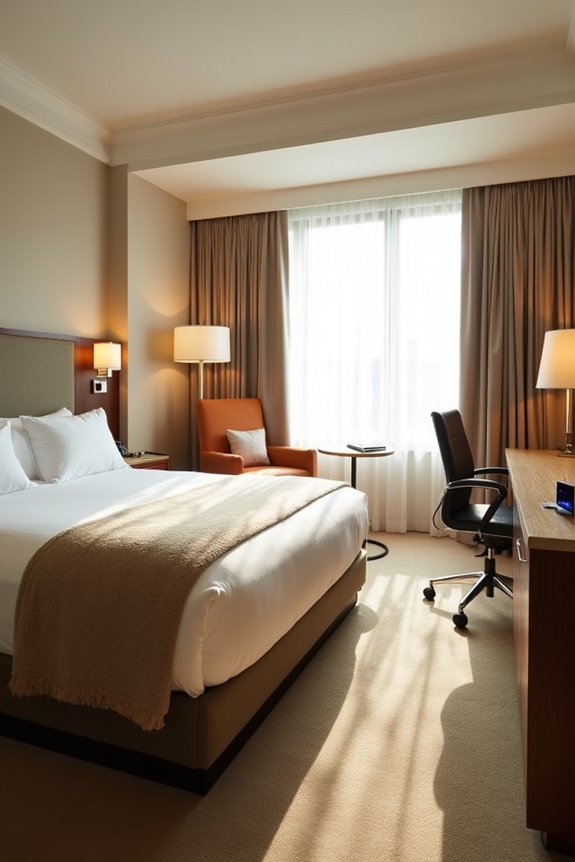
Picking the right room comes down to understanding what you actually need versus what sounds nice in the listing. Matching your stay to the right accommodations affects how welcome you feel.
Consider these factors when choosing:
- Occupancy and bed configuration – Count your guests, then pick a room labeled single, double, triple, or quad with the bed size you need
- Room layout – Decide between a standard room, suite with separate living space, or studio with kitchenette based on how you’ll spend your time
- Accessibility and amenities – Request accessible rooms if you need them; confirm smoking/non-smoking policies upfront
- Living space requirements – Measure your comfort against the room’s square footage and furniture arrangement
Honest assessment prevents disappointment. You’re investing in rest, so choose deliberately.
What Defines a Quality Guest Room Experience?
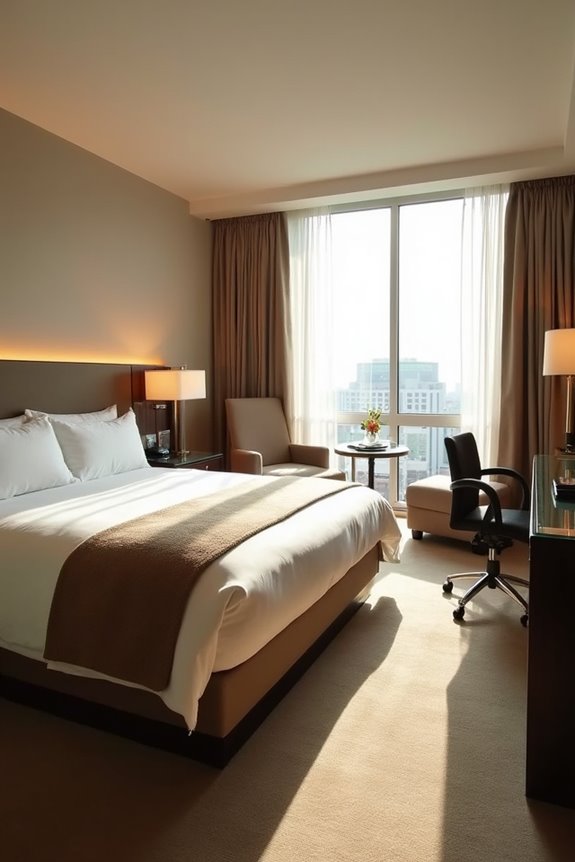
Once you’ve picked a room that matches your needs, the real test begins—does it actually deliver comfort when you’re inside it? Quality hinges on several interconnected elements. First, I’d prioritize beds and bedding—they’re foundational to restfulness. Next, reliable Wi-Fi and smart entertainment matter for both work and downtime. Clean bathrooms with modern fixtures signal thoughtfulness, while proper storage and in-room coffee/tea provisions make daily life easier. Design and decor that reflect local character create a space with personality beyond generic offerings. When these in-room amenities work together seamlessly, guest satisfaction follows naturally. You’re not just renting a room; you’re investing in an experience where comfort, functionality, and belonging converge.
Guest Room Selection Tips for First-Time Bookers?
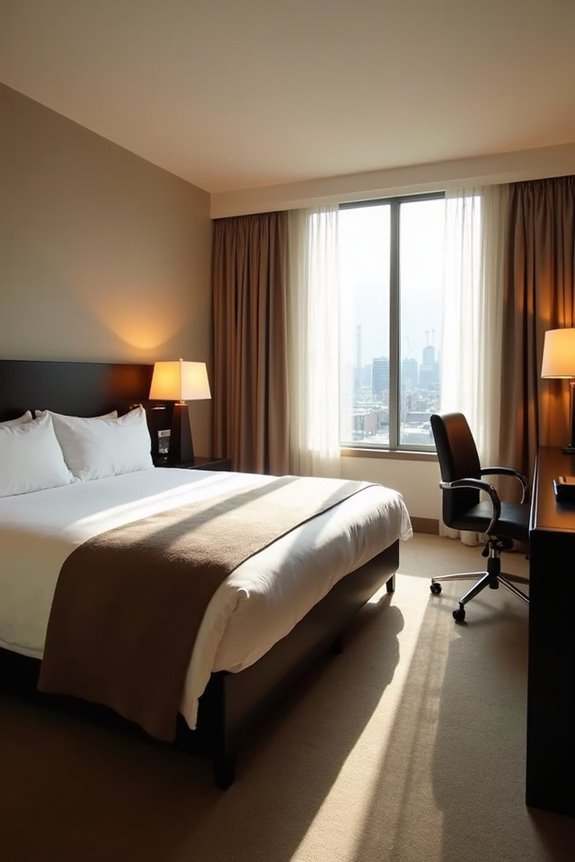
When you’re booking your first hotel room, I’d recommend matching your needs to the room type before you even look at prices—figure out how many people you’re sleeping, what bed setup works best for you, and whether you need extras like a kitchenette or accessible features. Understanding what amenities and features actually come standard versus what costs extra will help you avoid surprises when you arrive, so read those room descriptions carefully and check if breakfast, Wi-Fi, or parking are included. Once you know what matters most to your comfort—whether that’s a queen bed instead of twins, a suite with separate living space, or a pet-friendly room—you’ll spot the right match much faster and feel confident about your choice.
Matching Needs To Room Type
How do you know what’ll work best for your stay? It comes down to matching your specific needs with the right room types and layouts.
- Solo travelers: Pick standard rooms with efficient hotel layouts that don’t waste space
- Couples: Look for queen or king bed configurations in deluxe options with comfortable seating
- Families: Choose connecting rooms or suite variations offering separate living spaces
- Business travelers: Prioritize functional desks, reliable Wi-Fi, and good lighting in standard or executive categories
When you’re booking, consider your occupancy options carefully. Will you need twin beds or a king? Do you want multiple living spaces? Family-friendly suites work well for groups needing independence, while business travelers benefit from streamlined room types designed for productivity. Understanding these differences helps your hotel experience work better for you.
Understanding Amenities And Features
Beyond picking your room type, you need to examine what’s actually included—because amenities and features significantly impact your stay. When you’re comparing occupancy options and room types, check the sleeping arrangements carefully. Does it have the bed configuration you need? Look at in-room features like Wi-Fi, climate control, and bathroom specs. If accessibility matters to you, verify ADA accommodations upfront. Pet-friendly policies vary widely, so read them thoroughly before booking with your furry friend. For suites and larger spaces, confirm living space layouts and whether kitchenettes exist. These details shape your entire experience, providing what you actually need from your room.