
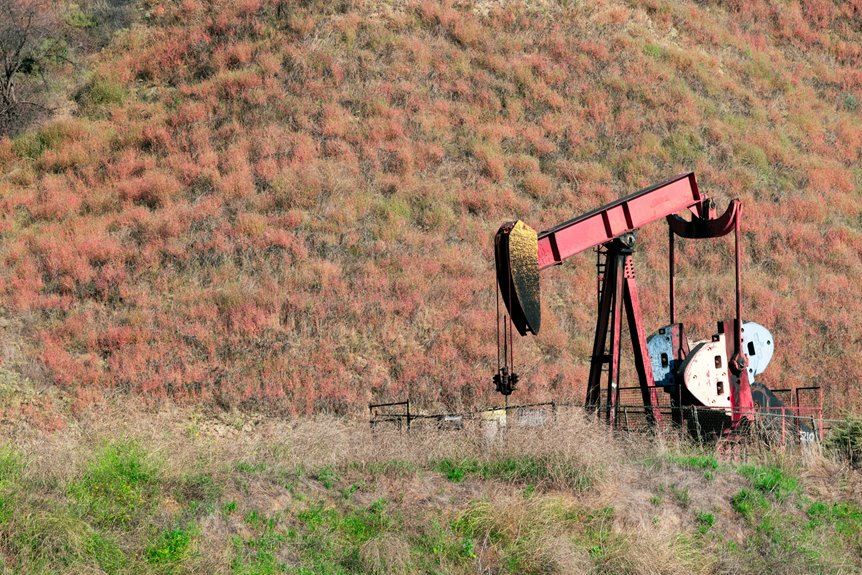
Finding oil on your property isn’t automatic wealth—you’ve got to own the mineral rights separately from surface land, which most folks don’t realize. Before anything else, hire an oil and gas attorney to verify ownership through deed searches and title work. Then assess whether drilling’s viable, handle permits with state agencies, and decide: lease it for royalties, sell outright, or develop it yourself. Get everything in writing, monitor payments quarterly, and stay alert to market shifts. The real money comes from understanding these steps upfront.
Verify You Own the Mineral Rights: Not Just the Surface Land
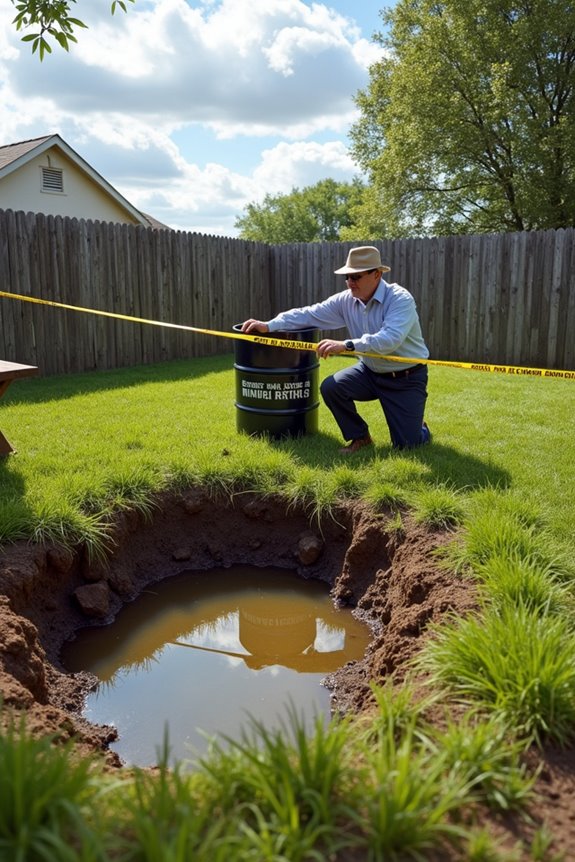
Owning your land doesn’t automatically mean you own what’s underneath it. I learned this the hard way. Your surface land ownership and mineral rights are legally separate, meaning someone else could own the oil or gas beneath your property.
Before you get excited about drilling, I need you to check your deed for any reservations, then head to your county records office for a title search. This ownership verification process reveals who actually controls those valuable resources. You’ll find out whether you hold the mineral rights or if a previous owner severed and sold them independently.
If someone else owns them, don’t worry. You can negotiate leases and royalties rights with proper legal guidance, turning that discovery into a real financial opportunity.
Hire an Oil and Gas Attorney Before You Decide Anything
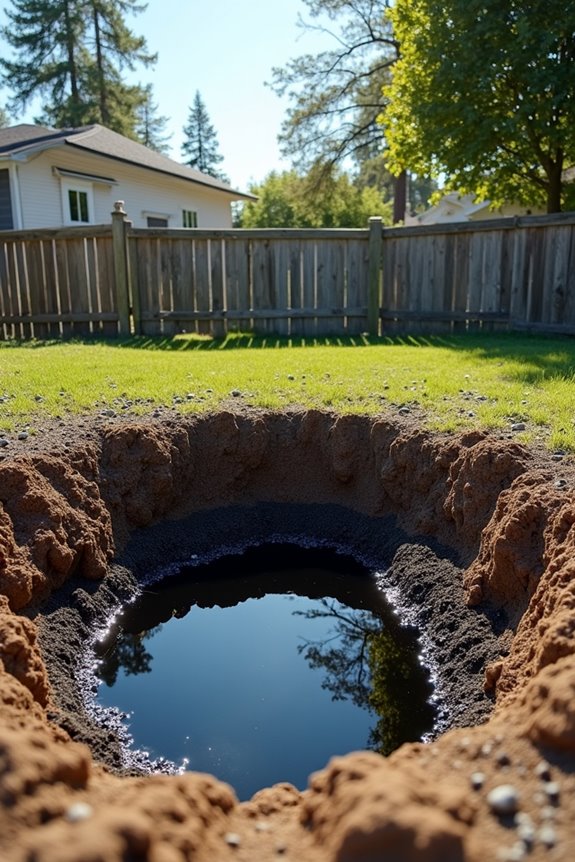
Once you’ve confirmed you hold the mineral rights, here’s what I’d tell you next: don’t make a single move without an oil and gas attorney in your corner.
Once you’ve confirmed mineral rights ownership, consult an oil and gas attorney before making any decisions.
This specialist handles the complex work you’ll need:
- Reviews your deed and conducts title searches at county records
- Evaluates whether leasing, selling, or developing makes sense for you
- Negotiates lease terms and royalty payments in your favor
- Protects your surface rights in compliance with state laws
- Identifies environmental obligations before drilling starts
A qualified attorney reduces uncertainty and catches problems early. They’ll explain what those contract terms actually mean for your wallet and property. This upfront investment protects you from costly mistakes down the road. You’re not just getting legal advice—you’re gaining a partner who understands your situation and fights for your interests.
Assess Regulatory and Permitting Requirements for Your Area

Before you break ground or sign anything with an oil company, you’ll need to navigate a maze of regulatory requirements that’ll differ depending on where you live. Start by verifying whether you actually own the mineral rights beneath your property or just the surface rights—this distinction determines who has authority over drilling permits and environmental permits.
Contact your state’s oil and gas commission or equivalent agency; they’ll outline mandatory notifications, setback rules, and well-spacing requirements. You’ll likely need environmental permits covering water usage, discharge, and spill containment, plus baseline water testing. Pay attention to local zoning restrictions and land use agreements as well. If someone else holds mineral rights, you’re navigating lease and royalty regulations. Getting these regulatory permitting details straight early prevents costly delays and legal headaches down the road.
Test the Oil Deposit: Is It Worth Developing?
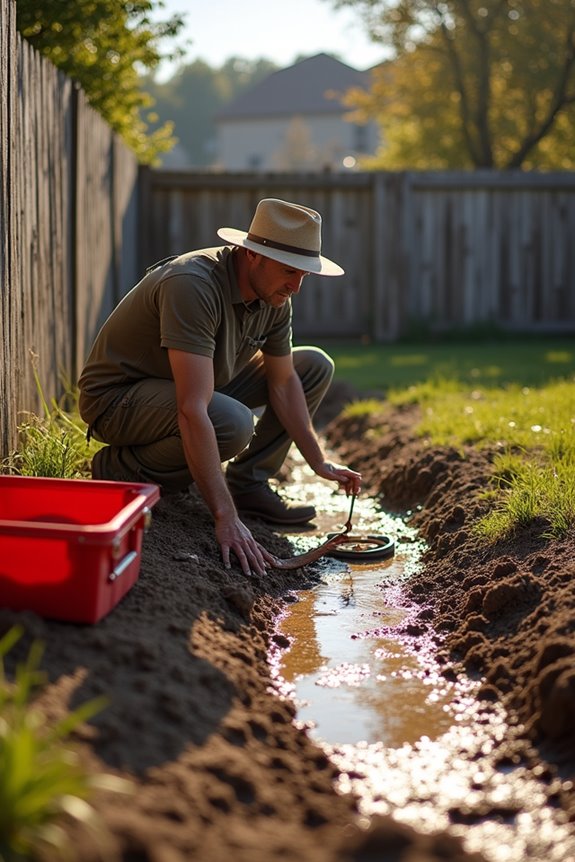
How’d you know if that oil beneath your property is actually worth the hassle and expense of drilling? You’ll need to test that deposit before sinking money into development. Here’s what I’d do:
- Hire a geologist or petroleum surveyor to assess oil viability
- Run seismic testing to map underground formations accurately
- Analyze soil samples from test wells on your land
- Review nearby drilling patterns and production records
- Evaluate mineral rights ownership through deed searches
These steps cost money upfront, but they’ll tell you whether you’re sitting on something real or wasting time. Once you’ve got solid data on your test deposit, you can decide about leases, working interest, or selling outright. Without this groundwork, you’re just guessing—and guessing costs way more than testing.
Decide Your Path: Lease, Sell, or Develop Your Mineral Rights
Now that you’ve confirmed there’s actually oil worth drilling for, you’ve got three real choices ahead of you, and each one’ll put money in your pocket differently.
| Option | Upfront Cash | Ongoing Income | Your Control | Risk Level |
|---|---|---|---|---|
| Lease | Signing bonus | Royalties | Low | Low |
| Sell | Lump sum | None | None | None |
| Develop | None initially | Higher profits | High | High |
Leasing brings you a signing bonus plus royalties while someone else handles the drilling. Selling gives you one big check but no future payments. Developing means you’re sharing costs and managing operations yourself—potentially earning more, but risking significant losses.
Before you decide, get legal guidance reviewing your mineral rights ownership and contracts. Understanding how surface protections factor in matters too. Choose what aligns with your comfort level and financial goals.
Negotiate Lease Terms, Royalty Rates, and Bonuses
When you’re staring down an oil lease offer, you’ve got to understand that the money comes in two forms: a signing bonus—that upfront check they hand you to lock in the deal—and royalties, which are your cut of the profits based on what actually gets pumped out of the ground. The royalty percentage matters significantly, because even a difference between 15% and 18% can mean thousands of dollars yearly if production stays strong, and that’s where you’ll see returns over time. Before you sign anything, I’d push hard on those numbers and make sure you know exactly how they’re calculating your share, because the lease terms today will define your income stream for years.
Royalty Rate Calculation Methods
Why does your royalty rate matter so much? Because it determines how much money actually reaches your pocket from your mineral rights. Here’s what you need to understand about calculating what you’ll earn:
- Gross production value forms your calculation foundation—the total revenue before expenses
- Secondary terms kick in once drilling starts, triggering your royalty payments
- Tiered royalties reward higher production volumes with better percentages
- Lease bonus provides immediate upfront cash, separate from ongoing royalties
- Production value fluctuates with market prices, affecting your yearly earnings
Your royalty rate typically ranges from 12.5% to 25% of gross production. The key? Don’t settle for standard rates. Negotiate based on your acreage’s prospectivity and market conditions. Work with professionals who’ll advocate for your mineral rights interests, so your calculations reflect fair compensation.
Bonus and Upfront Payment Structure
Have you considered how that signing bonus actually fits into your overall deal? That upfront payment—often ranging from modest amounts to substantial sums depending on your acreage and location—represents your immediate compensation when you sign an oil lease. This bonus isn’t your only income stream. It’s just the opening move. Your signing bonus works alongside your royalty rate, which typically runs 12.5% to 20% of production revenues. During your primary term, usually three to five years, operators must drill or forfeit rights. That’s leverage for you. Before accepting any offer, protect your surface rights through careful lease negotiation. Competitive bidding increases your bonus substantially. Get legal review to understand post-drilling obligations and restoration costs. Your upfront payment deserves serious attention because it reflects your property’s true value.
Vet and Select an Oil and Gas Operator
How do you know if an operator’s actually capable of handling your land and your resources responsibly? You’ve got to do your homework before signing anything.
Check these critical areas:
- Track record in your region and past project outcomes
- Safety compliance history and equipment capabilities
- Financial strength to honor lease terms
- References from other landowners who’ve worked with them
- Third-party reviews and regulatory compliance records
I’d insist on transparency about drilling plans, unit sizes, and anticipated royalty payments. Your mineral rights deserve protection through clearly defined lease terms with surface protection clauses. Before committing, get a written contract reviewed by an oil and gas attorney who understands your situation. You’re not just leasing land—you’re partnering with someone who’ll impact your property’s future. Choose wisely.
Monitor Production, Payments, and Compliance

Once you’ve signed that lease and the drilling starts, the real work begins—because you can’t just sit back and hope everything goes smoothly. You need to actively monitor everything.
Request production reports quarterly so you can track output and verify payments match your lease terms exactly. Compare every royalty payment against your agreement, watching for underpayments or missing calculations. Stay in constant operator communication through documented emails and calls—it keeps everyone honest.
Track regional trends affecting oil prices and production volumes, which directly impact your income. Watch for regulatory compliance changes that might alter your mineral rights or future opportunities. This isn’t paranoia; it’s protecting your investment. By staying engaged with your operator and numbers, you’ll catch problems early before they cost you serious money.