
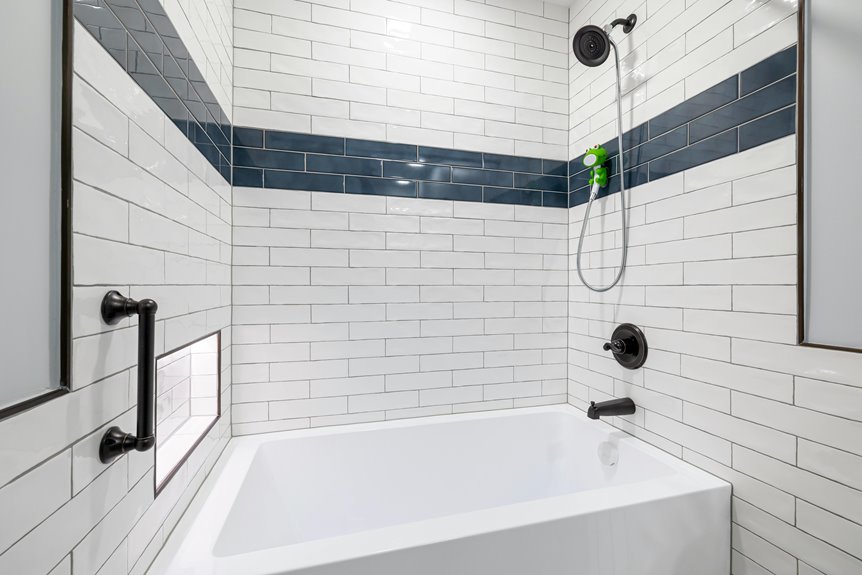
Most bathroom renovations do need a permit—especially if you’re moving plumbing, rerouting electrical, or touching structural walls. I’ll be honest: skipping permits costs way more than getting one. Florida’s rules are particularly strict because of hurricanes and moisture issues, so inspections happen at rough-in and final stages. Cosmetic updates like paint or tile replacements in existing spots might slide by, but confirm with your local building department first. The real expenses come from fines, not permits themselves—and there’s plenty more detail on what actually triggers approval requirements.
Do You Actually Need a Permit? Here’s What Triggers One
When do you actually need a permit for your bathroom renovation? Here’s the truth: most structural, plumbing, and electrical changes require permits. If you’re moving toilets, relocating sinks, or rerouting wiring, you’ll need one. Altering load-bearing walls? Definitely a permit situation.
However, cosmetic updates—painting, wallpaper, caulk applications—typically don’t require permits. Swapping fixtures in their existing locations usually falls into this category too.
The tricky part is understanding your local building department’s specific permit requirements. Some jurisdictions allow direct fixture replacements without permits, but altering valves or traps triggers the permit process. Even minor electrical work generally demands permits in most areas.
Your scope of work determines everything. When in doubt, contact your local building department before starting renovations. They’ll clarify exactly what your remodel needs.
Why Florida’s Rules Are Stricter Than Most States
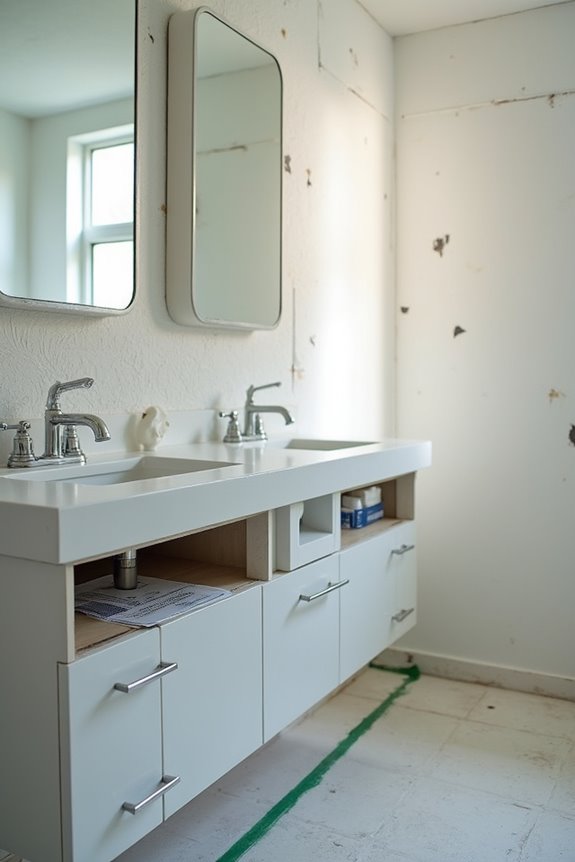
Why does Florida seem to have its own rulebook regarding bathroom permits? It does. Florida’s strict building codes exist because of our hurricane exposure and moisture challenges. When you’re renovating a bathroom—touching plumbing, electrical work, or structural elements—you’re not just following suggestions; you’re navigating multiple inspection points that other states skip entirely.
Local jurisdictions tighten enforcement further, especially after storms hit. Post-hurricane, waterproofing and ventilation rules become even more rigid. If you live in a condo or gated community, HOA approvals stack on top of city permits, creating layered reviews.
These aren’t arbitrary restrictions. They’re hard-won lessons from flooding and water damage. Working with licensed professionals helps you meet these demanding code compliance standards across Florida’s diverse jurisdictions, saving you headaches down the road.
Bathroom Projects That Almost Always Require a Permit
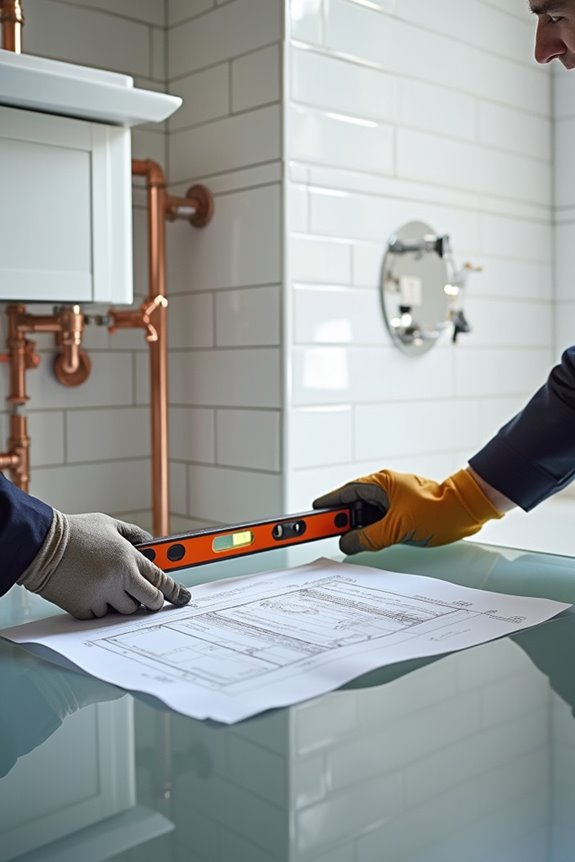
I’ve found that certain bathroom projects are basically guaranteed to need permits, and they’re worth understanding before you start swinging a hammer. If you’re moving plumbing lines—like relocating a toilet, sink, or shower—you’ll definitely need approval, since these changes affect your home’s water and waste systems. Similarly, any electrical rewiring, structural modifications like cutting into walls or removing supports, or installing new mechanical systems such as exhaust fans or water heaters will trigger permit requirements that you can’t skip, no matter how straightforward the work seems.
Plumbing System Relocations
How’d you feel if you discovered mid-project that moving your toilet three feet over or repositioning your shower meant you’re looking at permit requirements and inspections?
I’ll be straight with you: plumbing relocations almost always require permits. When you’re running new water lines, rerouting existing pipes, or making drainage changes, you’re triggering permit requirements that your local jurisdiction takes seriously. Any modification to fixture connections, venting systems, or how water flows through your bathroom counts as a plumbing modification worth permitting.
Here’s what happens next: inspections occur at rough-in and final stages, confirming everything meets code. You might need a Registered Design Professional filing your permit if layout changes considerably impact your plumbing systems. It’s not just bureaucracy—it’s protecting your home and wallet from costly mistakes.
Electrical and Structural Work
Electrical work in your bathroom renovation? You’ll need a permit. Whether you’re adding new outlets, moving existing ones, or upgrading light fixtures, your building department requires permits for nearly all electrical tasks. It’s not just bureaucracy—it’s about keeping you safe. Licensed electricians understand the National Electrical Code requirements that protect your family. When your renovation involves structural changes affecting electrical circuits, a Registered Design Professional may file as Applicant of Record, streamlining the process. Expect inspections at rough-in and final stages, taking 2–6 months depending on your project’s scope. Code compliance isn’t optional; it’s required. Working with licensed electricians keeps your electrical permit moving through the building department while meeting all safety standards. You’re investing in your home’s safety and value.
Updates You Can Do Without a Permit (Local Variations Included)
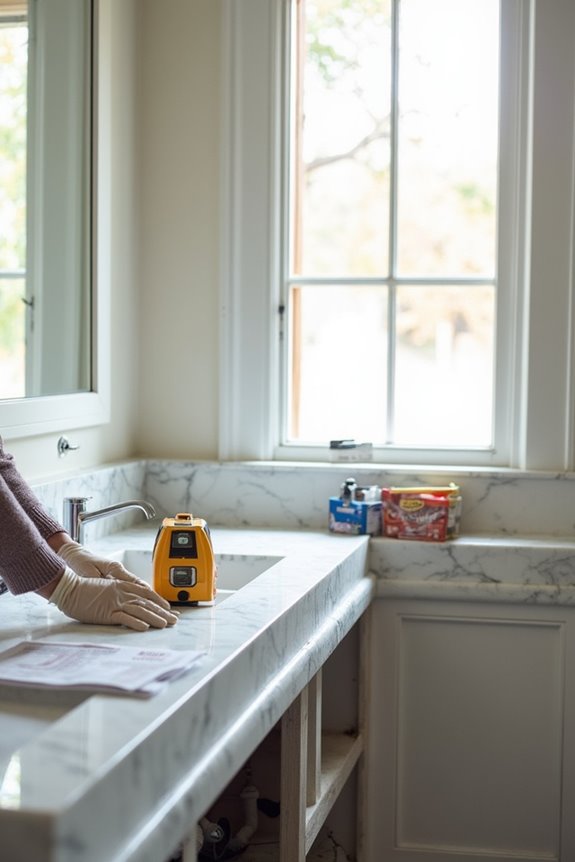
When you’re refreshing your bathroom, here’s what I’ve learned: plenty of cosmetic bathroom updates won’t require a permit, though the rules shift depending on where you live. Painting, wallpaper, caulking, and swapping hardware fall into permit-exempt work in many places. Replacing fixtures like vanities or faucets without moving plumbing often skips the permit process entirely. Even tile and countertop work typically stay permit-free when they don’t affect drainage or waterproofing.
Here’s the catch: electrical permit requirements vary widely. Basic lighting upgrades might slide by, but rewiring usually triggers permit needs. Storage additions that don’t anchor to studs often escape scrutiny too. Before starting your bathroom remodeling project, contact your local building department about permit eligibility and scope of work specific to your city regulations. They’ll clarify what counts as cosmetic fixtures replacement versus work requiring approval.
Permit Costs and Timeline: What to Budget For
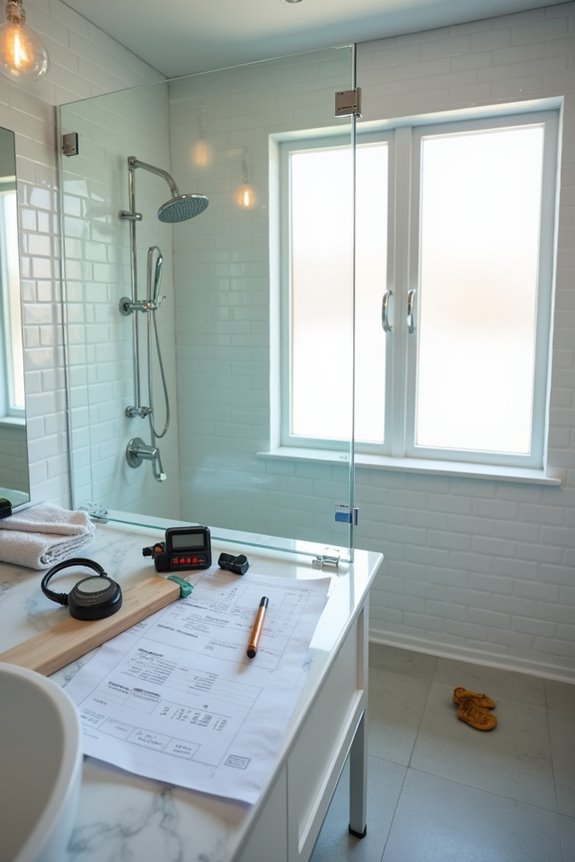
What’s it actually going to cost you to get that bathroom permit approved? Here’s what I’ve learned navigating Florida permits myself.
- Permitting costs range from $457 to over $2,800, depending on your city, county, and how much you’re spending on the bathroom remodel itself—bigger projects mean bigger fees.
- Plan review fees stack on top, since your building department needs time examining electrical, plumbing, or structural changes before giving approval.
- Inspection scheduling can stretch your permit timeline by days or weeks, especially after storms or during backlogs when inspectors get swamped.
Budget for scope of work changes too. Your project value might shift during planning, triggering additional permit review fees. I’ve seen it happen. Factor in extra time—it’s worth planning ahead rather than scrambling later.
Step-by-Step: Getting Your Permit Approved in Florida

How do you actually move from deciding you need a permit to having one in your hands? First, determine if your bathroom remodels truly require one—plumbing, electrical, or structural changes definitely do. Next, hire an RD professional if you’re changing your layout; they’ll file as Applicant of Record. Gather detailed plans showing all modifications, then submit your permit application to your local Florida department.
Expect permit costs ranging from $457 to $2,800, plus review fees. Once submitted, inspections follow at different stages—rough-in for plumbing and electrical, final inspection after completion. Each city’s timeline varies, especially post-storm. Stay responsive to inspector requests, schedule appointments promptly, and complete permit closure before finishing. This protects your resale value and insurance coverage, making the process worthwhile.