
No, a repo man can’t legally enter your backyard without permission or a court order. Backyards are enclosed, private spaces where trespass protections apply. Once you tell them to leave, they must go immediately—staying after that creates serious liability. Locked gates and fences strengthen your legal position. If they force entry anyway, document everything with photos and timestamps, then call an attorney the same day. Understanding what happens next requires knowing your specific state’s breach-of-peace rules and your available protections.
Can a Repo Man Legally Go Into Your Backyard?

They can enter your backyard for repossession if there’s no gate, lock, or fence blocking access and they don’t cause a breach of the peace. However, if your backyard’s enclosed or restricted, they’ll need permission or a court order—no exceptions. The moment you tell them to leave, they must go; staying puts them in legal trouble. Garage access? Completely off-limits without your consent or court authorization. Understanding these boundaries helps you protect your private property rights and know exactly what repo agents can and cannot do on your land.
The Basic Rule: No Breach of Peace, Limited Entry Rights
The fundamental rule that governs repo agents’ access to your backyard is straightforward: they can’t create a disturbance or breach the peace, which severely limits where they’re actually allowed to go. If your vehicle sits in an open driveway or yard visible from the street, they’ve got a legal path to repossess it without permission, but the moment they’re sneaking through locked gates, climbing fences, or forcing their way into enclosed spaces like a garage, they’re crossing into illegal territory. What makes this tricky is that the rules shift based on your state and local laws—some places give repo agents wider access than others, but the peace requirement stays constant and non-negotiable.
Peace Requirement And Entry
How much force can a repo man actually use when he’s coming for your vehicle? The answer’s simpler than you’d think: none. Here’s what matters—the repossession agent can’t breach the peace, period. This means no forcing entry into your backyard if guards or locked gates protect it. If he’s got permission and enters peacefully, that’s legal. But the moment confrontation looms, he’s crossed the line.
Your private property gets real protection when it’s enclosed or guarded. A repo man can’t smash through gates or ignore “No Trespassing” signs without facing serious liability. The legality hinges entirely on whether entry disturbs the peace. Even if your vehicle sits visible in your backyard, repossession without consent on enclosed private property typically violates the law. The peace requirement trumps everything else.
Private Property Limitations
Where exactly can a repo agent actually step foot on your property? Here’s what matters: they can access open areas like your driveway or front yard without breaching the peace, but enclosed areas present real problems. That locked garage? Off-limits without your consent or a court order. Trespass laws protect your backyard, especially if it’s fenced or evidently private property. The moment you tell them to leave, they must stop—no exceptions. Continuing means creating a breach of the peace and serious liability. Entry without permission into enclosed areas exposes the repo company and lender to legal challenges. Think of it this way: open spaces might allow passage, but anything locked, gated, or evidently residential demands proper authorization before stepping through.
Locked Enclosures Prohibit Access
Can a repo agent simply walk into your locked garage and take your car? The answer is no. When you’ve got a locked enclosure on your private property—whether it’s a garage, shed, or fenced yard—repo agents can’t enter without your consent or a court order. Forcing entry into a locked garage breaches the peace and exposes both the agent and lender to serious liability. Here’s why this matters: entering a locked enclosure without permission constitutes trespass and potentially breaking and entering. If a repo agent enters private property through a locked gate or garage door, you have legal grounds to pursue them. The rule is straightforward: locked means protected. If told to leave, they must comply immediately, or they’re breaking the law.
When Repo Agents Can Access Your Backyard

You’d think your backyard’s a safe zone, but boundaries—the key distinction—repo agents can legally walk onto your property, including backyards, as long as they don’t break the peace or force their way in. The key difference comes down to locked spaces versus open yards. If your backyard’s accessible without gates or barriers, they have legal ground to enter during repossession. However, the moment you tell them to leave, they must comply immediately. Ignoring your request crosses into breach of the peace territory, which opens them up to trespass liability. Think of it this way: open backyards are fair game for repossession efforts, but the second you establish boundaries through locks, fences, or verbal objection, consent becomes mandatory.
Locked Gates and Enclosed Spaces: Why Repo Men Can’t Enter

Once a locked gate or enclosed garage door enters the picture, the repo agent’s legal authority takes a hard stop. Here’s what you need to know about your protected spaces:
- Locked gates mean no entry – Repo agents can’t breach locked gates without consent or a court order, period.
- Enclosed garages require permission – Breaking into your garage crosses into breaking-and-entering territory legally.
- Ignoring “leave my property” invites liability – When you tell them to go, they must comply or face breach of the peace charges.
Locked gates and enclosed spaces are your fortress. They’re private property with real legal teeth. Even repo agents respect these boundaries because crossing them changes a repossession into trespass. That’s the difference between legal repossession and serious legal trouble for them. You have legitimate protection here.
What Happens If You Tell a Repo Agent to Leave?

What’s your actual power in this situation? More than you might think. If you tell a repo agent to leave your private property, they must stop immediately. Continuing after you’ve demanded they leave can constitute breach of the peace, exposing both the agent and lender to serious liability.
Here’s what matters: the moment you say “leave,” they can’t enter your locked garage, cross into your yard, or stay on your driveway. Ignoring your request turns lawful repossession into trespass. If they persist, contact police right away. Document everything—what they said, when they arrived, how you told them to leave.
You’re protecting yourself legally. Don’t hesitate. Your property rights are real, and enforcement exists to protect them.
Breaking and Entering: When Repo Becomes a Crime
There’s a critical line that separates a legal repossession from an actual crime, and it gets crossed the moment a repo agent forces their way through a locked gate, busts open a garage door, or breaks a lock to access your property. Here’s what constitutes criminal activity:
- Forced entry through locked structures constitutes breaking and entering, plain and simple
- A breach of the peace occurs when agents ignore your commands to leave private property
- Unlawful entry without consent or court order creates serious legal liability for the repo company
Once they cross that threshold illegally, you have grounds for action. Document everything—photos, timestamps, witness statements. Call police immediately and report the incident. Then contact a repossession attorney who understands your rights. You are not powerless here; the law protects you.
How Your State’s Laws Shape Repo Entry Rights

I can’t stress enough how much your state determines whether a repo agent can legally enter your backyard, because what’s allowed in Florida might get someone arrested in New Jersey. Each state draws its own lines on what counts as breach of the peace, whether you need written notice beforehand, and if locked gates or “No Trespassing” signs actually stop repo agents from coming onto your property. Understanding your specific state’s rules is important, so you’ll know exactly what rights you have when a repo company shows up at your home.
State-Specific Entry Restrictions
State-Specific Entry Restrictions
How much authority does a repo man actually have when he pulls up to your house? That’s where state-specific entry restrictions come in, and they’re your protection.
Here’s what matters:
- Private property boundaries – Your backyard’s a no-go zone without permission or a court order, even if your car sits there
- Breach of the peace rules – Some states ban any forceful entry; others allow open driveway access only
- Law enforcement involvement – When disputes arise, you’ll need official intervention to settle trespass claims
Your state’s statutes determine everything. Some jurisdictions treat repossession on private property strictly, requiring explicit consent. Others permit entry to non-enclosed areas but prohibit locked gates or garage access.
Before a repo happens, know your state’s exact rules. That knowledge gives you the advantage of understanding your property rights and what a repo man can and cannot do.
Jurisdictional Variations In Enforcement
When you’re facing repossession, your state’s laws become your strongest defense—or your biggest vulnerability. I’ve learned that jurisdiction variations in enforcement matter enormously. Some states let repo agents onto your private property—driveways, open yards—without permission, while others demand explicit consent before entry rights apply. Enclosed spaces like locked garages? That’s where things get tricky. Many jurisdictions protect you here, requiring court orders for forced entry. But breach of the peace standards shift dramatically by location. What counts as peaceful in one state might be aggressive elsewhere. Your state law determines whether objecting to a repo agent actually stops them, or whether court orders override your resistance. Understanding these state-specific rules helps you know exactly where you stand when repossession threatens.
Moving or Blocking Your Vehicle to Prevent Entry

One thing you might try when you see a repo agent heading toward your car is moving another vehicle to block access—maybe you’ll park a second car in front of yours in the driveway, or you’ll ask a neighbor to do the same.
Here’s what you need to know about blocking vehicles:
- Legal blocking requires no damage — You can move a blocking vehicle only if it doesn’t breach the peace or harm property
- Damage stops the repossession — If moving the blocking car causes scratches or dents, the repo attempt must pause
- They’ll return later — Agents can attempt entry again when conditions change
The key is understanding that blocking works temporarily, but agents operate on private property legally. Your best strategy involves staying ahead of repossession through communication with your lender, not obstruction tactics.
Red Flags That Make Backyard Repossession Unlawful
I need to tell you straight up—there are specific red flags that’ll make a repo man’s backyard entry illegal, and you should know what they are. When a repo agent forces through a locked gate, ignores your verbal demand to leave, or continues onto your property after you’ve explicitly told them to stop, they’ve crossed into breach of the peace and unlawful trespass territory. These actions expose them to real liability, which means you have legitimate legal ground to challenge the repossession itself.
Breach Of The Peace
How far can a repo agent actually push before crossing into illegal territory? The answer lies in understanding breach of the peace—a legal line that protects your rights on private property.
Here’s what matters:
- Entering your backyard without consent or a court order constitutes trespass and can escalate to breach of the peace
- Breaking into locked garages or forcing entry into enclosed spaces creates explicit legal liability
- Ignoring your verbal demands to stop compounds the illegal nature of the repossession
Once you tell a repo agent to leave, they must stop. Continuing escalates their actions from standard repossession to potential criminal conduct. Moving vehicles or tampering with your property to access their target vehicle further violates your privacy and protection. Without explicit written consent or judicial authority, backyard repossession remains legally vulnerable territory.
Unlawful Entry And Trespass
When a repo agent enters your backyard without permission, they’re crossing a legal line that exposes them—and their company—to serious liability. I want you to understand: your backyard is private property, and entering it without consent constitutes unlawful entry and trespass. If that locked garage or fenced area blocks access, forcing through creates a breach of the peace situation. You have legal remedies available. The repo company can face civil damages when they violate your property rights this way. Courts recognize that unauthorized backyard entry isn’t a gray area—it’s a clear violation. You’re protected here. When agents bypass locked gates or ignore your presence without a court order, they’re creating actionable legal problems for themselves. Your property boundaries matter legally.
How to Document Unauthorized Entry and Trespass

What’s your first move when you realize a repo agent’s crossed the line onto your private property? You document everything immediately. Here’s what I’d do:
When a repo agent enters your private property, document everything immediately—photos, videos, timestamps, and witness details.
- Take photos and videos showing the agent on your backyard, capturing timestamps and surrounding landmarks
- Note the exact time, date, location, and names or descriptions of all witnesses present
- Write down everything that happened—what was said, how they entered, whether you told them to leave
This documentation becomes your evidence of unauthorized entry and trespass. Contact an attorney promptly; they’ll help you build your case for breach of the peace liability. Report the incident to local authorities too. You’re protecting your private property rights and creating a paper trail that demonstrates the repo company’s unlawful actions. This evidence strengthens your position considerably if legal action becomes necessary.
Secure Your Backyard Before Repo Agents Arrive
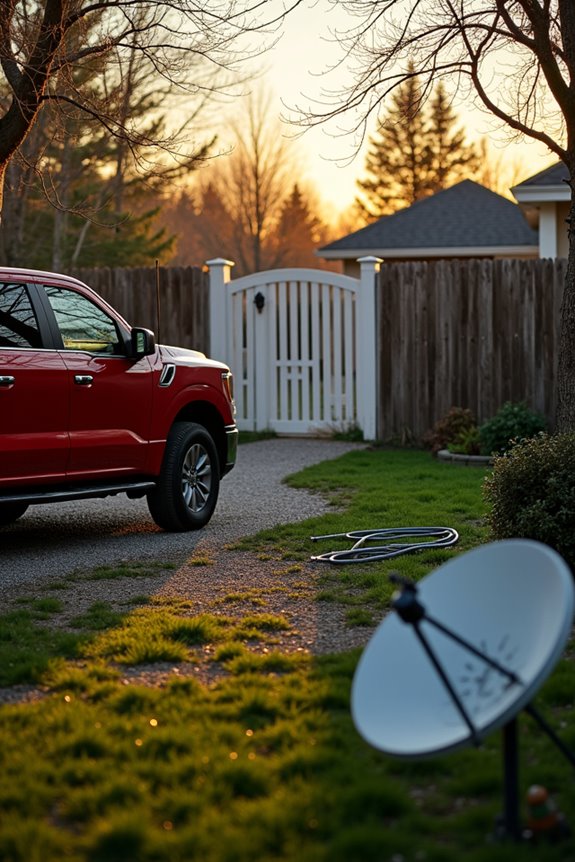
Why wait until a repo agent shows up at your property to realize you’re vulnerable? Securing your backyard now prevents serious problems later. Start by installing sturdy locks on all gates and fence entry points—this creates a locked property that legally deters unauthorized access. Post clear “Private Property” and “No Trespassing” signs at every entrance; they matter legally. Keep your fence at least six feet high with no gaps, making breach of peace harder to justify. Don’t grant consent or authorization to anyone without proper court documentation. Consider adding motion-sensor lighting or cameras for documentation purposes. These steps protect your space from unlawful entry, establishing that any trespass is deliberate. You’re not being paranoid; you’re being smart about safeguarding what’s yours.
Can Police Stop a Repo Agent From Entering Your Property?
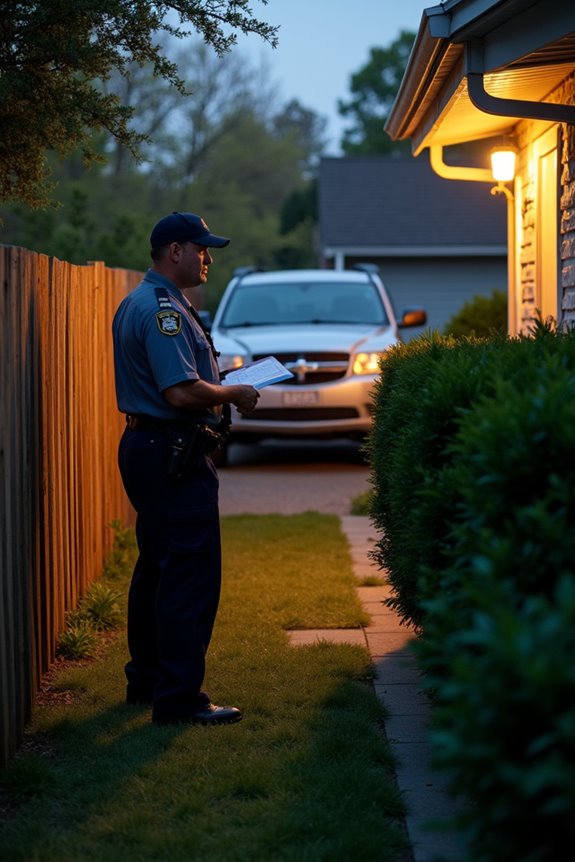
Although repo agents show up with a job to do, they’re not cops—and that’s the key difference in terms of protecting your property. Police can step in when repossession crosses legal lines. Here’s what you need to know:
Repo agents aren’t police—and that distinction is crucial for protecting your property rights during repossession.
- Police can stop entry without consent if a repo agent attempts breach of the peace on your private property or backyard
- You can call officers if trespass occurs, and they’ll intervene to protect your legal rights during entry without consent situations
- Police won’t automatically authorize repossession just because an agent shows up—they’ll investigate whether the action violates local laws
When police intervention happens, repo agents must halt. They can’t ignore an officer’s direction. This protection matters because your backyard, driveway, and home remain your territory. If someone’s crossing boundaries illegally, law enforcement stands between you and unlawful repossession activity.
When You Should Call a Local Attorney

If a repo agent crosses the line on your property, here’s when you shouldn’t wait another second to call a lawyer: the moment you’re told to leave but they keep pushing forward, the instant they force open a locked garage or gate, or anytime they show up without consent and won’t back off.
| Situation | Action | Timeline |
|---|---|---|
| Forced entry into locked garage | Call attorney immediately | Same day |
| Breach of the peace occurs | Document everything | Within 24 hours |
| Trespass on private property | Seek legal counsel | Before next contact |
| Unlawful entry happens | File complaint | Immediately after |
Don’t hesitate. Repossession liability cases require quick action. An attorney evaluates your damages, challenges the unlawful entry, and protects your rights. You’re not alone in this fight—legal professionals understand these situations and stand with property owners like you.