
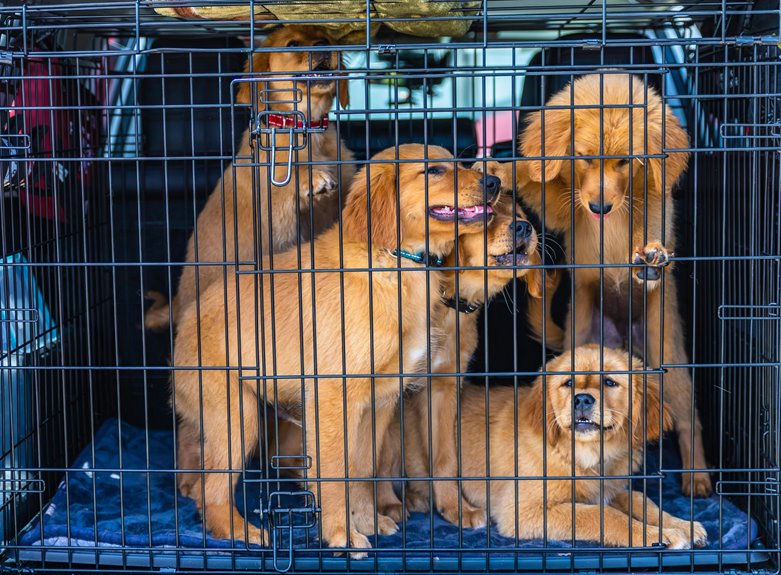
A backyard breeder prioritizes quick cash over your puppy’s health—they skip genetic testing, avoid buyer screening, and won’t take your dog back if problems arise. You should care because you’ll likely face expensive vet bills for inherited diseases they didn’t bother checking. Plus, your money funds a cycle that floods shelters with unwanted dogs.
Responsible breeders demand health clearances, screen carefully, and stand behind their puppies for life—asking the right questions helps you identify the difference.
What Makes a Breeder “Backyard”? (It’s Not Location)
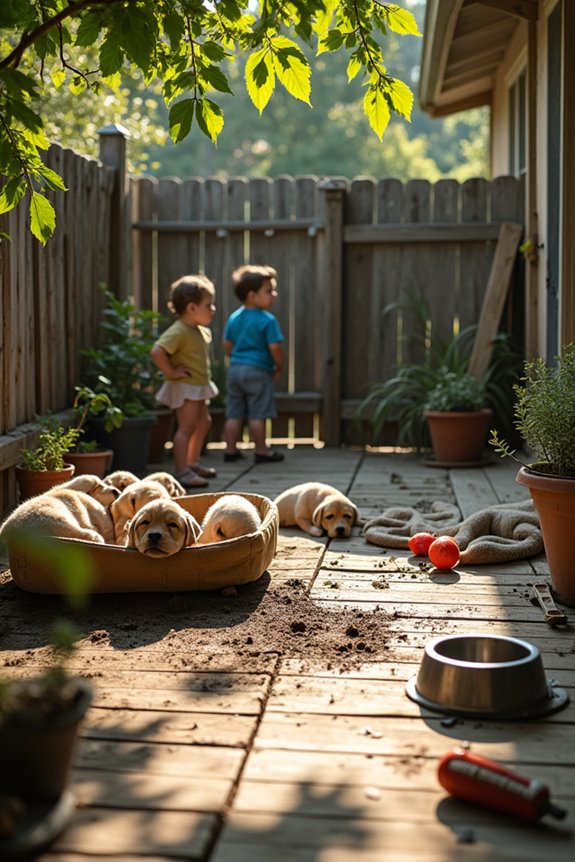
Why do we call them “backyard” breeders when many of them operate from fancy homes or commercial facilities? The term doesn’t describe location—it describes mindset. What makes backyard breeding problematic is prioritizing profit over your dog’s wellbeing. These breeders skip health testing, ignore genetic concerns, and breed frequently without knowledge of responsible practices. They’ll sell you a puppy without waiting lists, prescreening, or asking questions about your home. You won’t find return policies or lifetime support. Instead of studying bloodlines and health clearances like ethical breeders do, backyard breeders focus on quick sales and fast money. They’re not building a breed’s future; they’re cashing in on demand. Understanding this distinction helps you recognize who truly cares about dogs and who doesn’t.
Why Backyard Breeders Skip Health Clearances
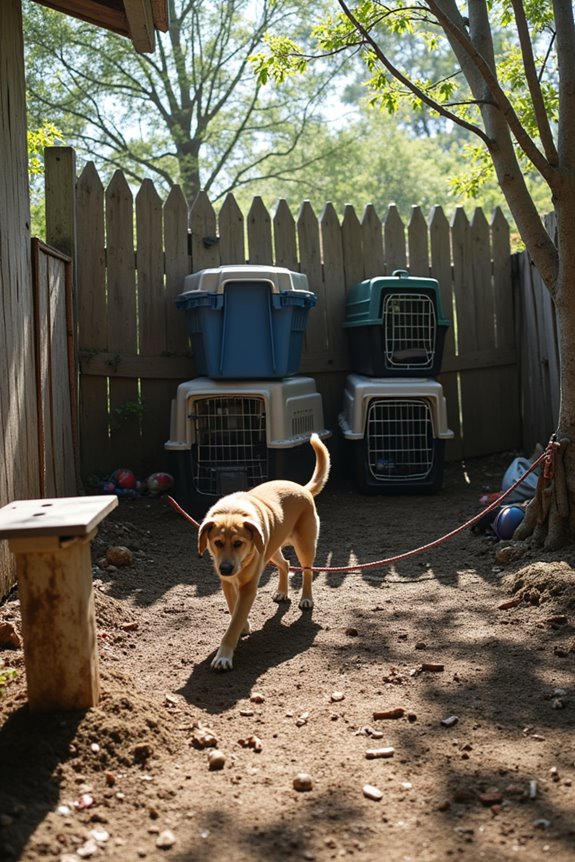
Backyard breeders cut corners on health testing for three main reasons: they want to save money and boost profits, they don’t actually know what health clearances matter or how to get them done, and nobody’s really enforcing these standards to hold them accountable. When a breeder skips OFA certifications and genetic testing—things that can cost hundreds or thousands of dollars per dog—they’re banking on the fact that most buyers won’t ask the right questions or won’t know the difference between a cleared and uncleared parent. The real problem is that without regulatory oversight in most places, there’s nothing stopping them from breeding dogs with serious health issues, which means you and your family end up paying for their shortcuts through expensive vet bills down the road.
Cost Reduction And Profit
Most backyard breeders skip health clearances because they’re expensive, time-consuming, and cut directly into profits. I’ve seen firsthand how this decision impacts families like yours. When breeders avoid OFA testing and genetic screenings, they’re gambling with your puppy’s future—and your wallet.
| Expense Type | Cost Range | Breeder Motivation | Your Risk |
|---|---|---|---|
| OFA Hip/Elbow Screening | $300-$500 | Reduces margins | Inheritable joint disease |
| Genetic Testing | $200-$400 | Time investment | Recessive condition emergence |
| Veterinary Evaluations | $150-$300 | Administrative burden | Hidden health issues |
| Breed Standard Compliance | Variable | Quality control effort | Non-standard puppies |
Here’s the reality: legitimate breeders invest in health clearances because they genuinely care about their animals. Backyard operators prioritize immediate cash over your puppy’s wellbeing, leaving you vulnerable to devastating vet bills later. The difference is significant—skipped screenings today mean serious medical expenses and heartbreak tomorrow.
Lack Of Breeding Knowledge
Have you ever wondered how someone decides to breed dogs without actually learning what that responsibility entails? Backyard breeders often skip essential health clearances like OFA certifications because they don’t understand breeding’s complexity. They haven’t learned about genetic testing or breed-specific health issues that responsible breeders routinely screen for.
Without this knowledge, they focus on producing puppies quickly rather than improving breed health. They can’t identify which parents carry hidden conditions, so inherited problems pass down to offspring. Their puppies develop behavioral and physical issues, ultimately ending up in shelters.
This knowledge gap separates backyard breeders from ethical ones. When you understand breeding requires serious education and testing, you’ll recognize why health clearances matter for your future dog’s wellbeing.
Absence Of Regulatory Enforcement
Why can a backyard breeder keep producing litter after litter without anyone stopping them? The honest answer is that regulatory enforcement simply doesn’t exist in most places. I’ve seen backyard breeders operate for years without submitting health clearances, genetic tests, or OFA results—and face zero consequences. There’s no one checking whether parents have documented disease screenings. No agency verifies their claims before puppies go home. Without enforced desexing requirements or mandatory breeder registration, these operators continue breeding uncontrolled. The lack of accountability means backyard breeders skip expensive health testing entirely. They don’t need verifiable records showing two generations of clearances. Veterinary oversight is minimal to nonexistent. This absence of enforcement creates a system where profit matters more than puppy welfare, allowing inherited conditions to spread unchecked through generations.
Genetic Problems Backyard Breeders Don’t Screen For
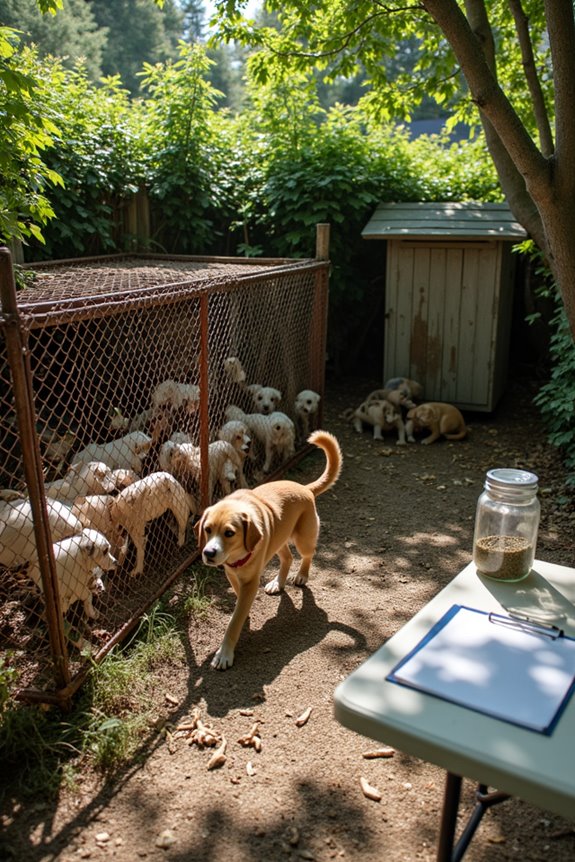
Because they skip the critical health testing that responsible breeders conduct, backyard breeders pass on serious genetic problems to their puppies—and you’ll likely discover them only after you’ve brought your new dog home. I’ve seen firsthand how this happens: without genetic testing, conditions like hip dysplasia, heart defects, and eye problems remain hidden in the bloodline. Responsible breeders require OFA health clearances for both parents before breeding, documenting everything. Backyard breeders? They don’t bother. They skip these screenings entirely, gambling with your puppy’s future. When those inherited issues emerge—sometimes months or years later—you’re facing expensive veterinary bills and heartbreak. Your dog suffers needlessly because someone prioritized profit over health. That’s why knowing your breeder matters so much.
Red Flags of Backyard Breeders: What to Watch For
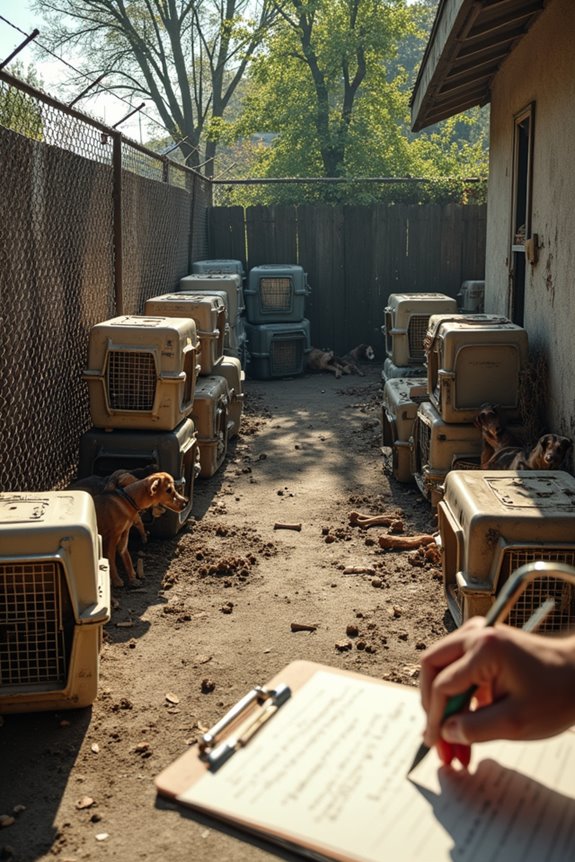
When I’m searching for a puppy, I’ve learned to spot warning signs that tell me a breeder isn’t following responsible practices—like when they’ve got puppies available year-round with no waiting list, which means they’re churning out litters for quick cash instead of breeding thoughtfully. I watch closely for breeders who can’t show me health clearances for both parents, won’t let me visit their premises in person, or refuse to take a dog back if things don’t work out, because these gaps signal they don’t actually care what happens to their animals after the sale. The suspicious sales methods—shipping without meeting face-to-face, no prescreening of families, no questions about whether I’m a good fit—are red flags that tell me this person’s priority is money, not the welfare of the dogs or their future homes.
Lack Of Health Documentation
Many responsible breeders I’ve talked with keep detailed health records—genetic testing results, veterinary certifications, vaccination histories—all organized and ready to share before you even ask. Backyard breeders, though? They won’t show you a thing. That’s where health documentation becomes your biggest red flag. When breeders can’t produce two generations of health clearances for breed-specific issues, you’re looking at serious risk. They haven’t screened the dam and sire, which means genetic problems slip right through. No veterinary screening, no health guarantees—just puppies appearing healthy until problems emerge weeks later. Early congenital defects, parasites, infectious diseases like parvovirus: these aren’t accidents. They’re consequences of skipped veterinary care and welfare neglect. Demand documentation. Real breeders expect it.
Questionable Breeding Practices
How do you spot a breeder who’s cutting corners? Watch for puppies available year-round without waiting lists. This constant supply signals mass production, not thoughtful breeding—the hallmark of puppy mills operating without demand-based pauses. Responsible breeders breed selectively, which means you’ll wait months for a litter.
Next, check if they’ll let you visit their facility. Breeders who insist on meeting offsite or shipping puppies without showing you their premises? That’s a major warning sign. You should see where your future family member was raised.
Finally, notice how they handle guarantees. Real breeders take responsibility—they screen buyers carefully, offer health guarantees, and’ll take a dog back if things don’t work out. No screening, no guarantees, no accountability? Walk away. You’re seeking a partner who shares your values.
Suspicious Sales Methods
What’re the telltale signs that a breeder’s more interested in your money than your puppy’s wellbeing? When you spot puppies available year-round with no waiting list, that’s your first warning. Responsible breeders plan litters carefully, so constant availability feels off. Watch for breeders who skip prescreening questions or rush you toward a purchase. If they avoid showing you their facilities or refuse to introduce you to the mother, something’s wrong. Legitimate breeders want you involved in the process because they care where their puppies go. They’ll also demand post-purchase contact and guarantee taking the dog back if needed. These practices aren’t inconveniences—they’re proof someone genuinely prioritizes their dogs’ futures over quick sales.
How Backyard Breeding Floods Shelters and Rescues
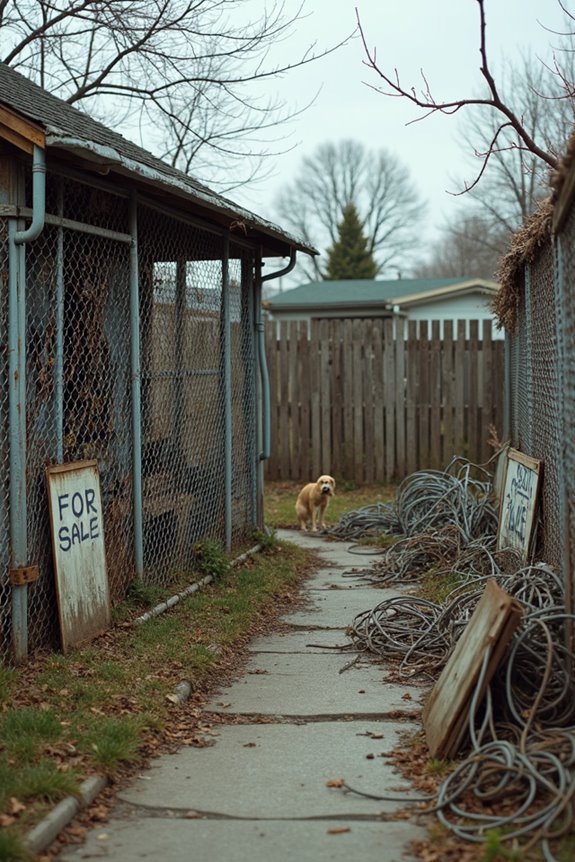
Why are our shelters bursting at the seams with dogs that need homes? Here’s the truth: backyard breeders flood rescues with unwanted puppies every single day. When these breeders skip health testing and proper care, they create dogs with congenital defects and behavioral problems. Then, when families discover these issues, they surrender their pets to shelters, overwhelming the system.
I’ve seen this cycle firsthand. A backyard breeder produces dozens of puppies without screening buyers or verifying proper placement. Those puppies grow into dogs with expensive medical needs and training requirements their owners can’t handle. Shelters absorb the fallout, stretching already-thin resources.
You have power here. Choosing adoption over backyard-bred puppies directly reduces shelter intake. Your decision to support responsible breeding practices helps break this chain, creating real change in our communities.
Why Backyard-Bred Dogs Have More Health Issues
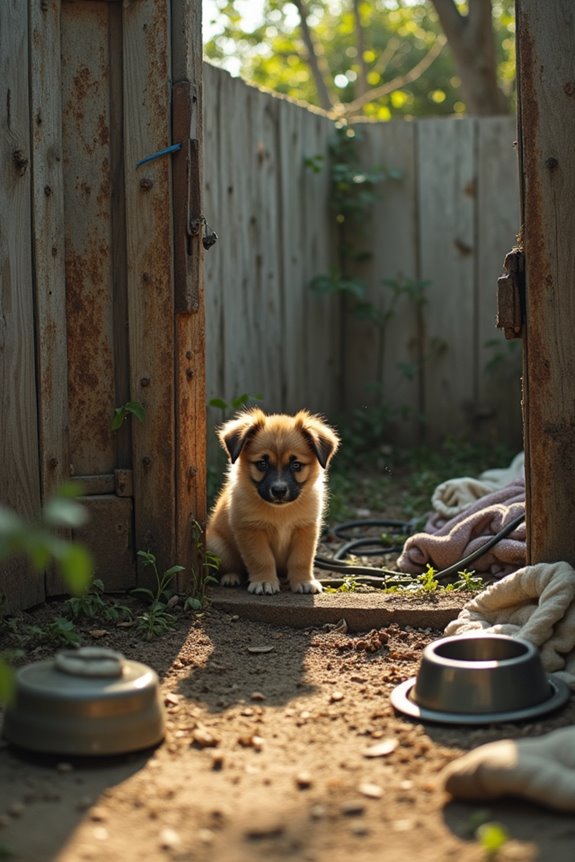
When you bring home a backyard-bred puppy, you’re often walking into a health crisis you didn’t see coming. Here’s why: backyard breeding skips the health testing that responsible breeders do. You won’t find OFA clearances or genetic screenings that catch inherited problems early. Without these safeguards, puppies inherit conditions like hip dysplasia, heart defects, and breed-specific diseases at higher rates. Poor breeder oversight means no validated care standards protect the mother dogs or their litters. Early weaning and inadequate socialization trigger behavioral issues alongside physical ones. The result? You’re facing unexpected veterinary bills that stack up fast. Many of these dogs end up in shelters because owners can’t manage the health burden. When you choose responsibly, you’re choosing a healthier future for your family.
The Difference Between Backyard and Responsible Breeders
When I’m looking for a puppy, I’ve realized that responsible breeders invest heavily in health testing—they screen both parents for genetic conditions through OFA clearances and genetic testing before breeding, whereas backyard breeders skip these steps entirely, which directly explains why their puppies suffer from preventable diseases. What really frustrates me is that responsible breeders care about improving the breed through selective breeding for temperament, health, and breed standards, but backyard breeders only care about churning out puppies for quick profit without any long-term commitment to the breed’s future. The difference matters because responsible breeders stand behind their dogs—they’ll take any puppy back at any point in its life—but backyard breeders wash their hands of responsibility the moment you hand over your cash.
Health Testing Requirements
How’d you know if the puppy you’re considering comes from a breeder who actually cares about health? Look for health testing. Responsible breeders require OFA clearances for both parents and comprehensive genetic testing for relevant conditions. They’ll hand you documentation proving their dogs are sound in mind and body. Backyard breeders? They skip these certifications entirely, rarely offering verifiable proof. That absence of standardized health testing increases your puppy’s risk of congenital issues and serious welfare problems down the road. When you’re choosing a breeder, ask for those health clearances. Demand genetic results. If they can’t provide them, that’s your answer. A healthy puppy starts with a breeder who’s done the work upfront.
Breed Improvement Commitment
Why does a responsible breeder keep meticulous records while a backyard breeder just breeds any two dogs together? The answer lies in commitment to breed improvement. When I look at responsible breeders, I see deliberate goal-oriented pairings designed to enhance the breed’s health, temperament, and traits. They title and prove their dogs, demonstrating measurable progress over generations. Backyard breeders, meanwhile, repeat the same pairings without clear hereditary lines or improvement plans. They’re motivated by profit and quantity rather than long-term breed quality. This distinction matters because you’re investing in a living being. Responsible breeders create lasting positive change, while backyard breeders perpetuate genetic problems. When you choose responsibly, you’re supporting breeders who genuinely care about their breed’s future.
What to Expect When You Buy From a Reputable Source
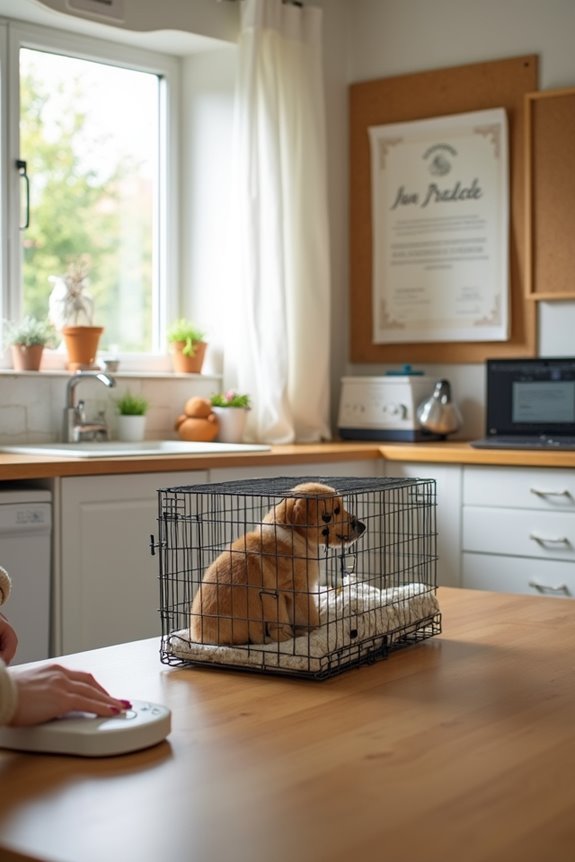
So what’s actually different when you’re working with a responsible breeder instead of someone just breeding dogs in their garage? Everything. Reputable breeders screen you before you even meet a puppy, asking detailed questions about your lifestyle, home, and experience. They’ll show you health clearances spanning two generations, proving they’ve tested for breed-specific issues. You’ll visit their premises, meet both parents, and see exactly where puppies are raised. They provide complete veterinary records and transparent documentation of every health test. If life changes and you can’t keep your dog, reputable breeders take them back—no questions asked. This commitment demonstrates they’re invested in their puppies’ futures, not just quick sales. That’s the difference between a breeder you can trust and someone cutting corners.
Your Breeder Checklist: Spotting a Backyard Operation
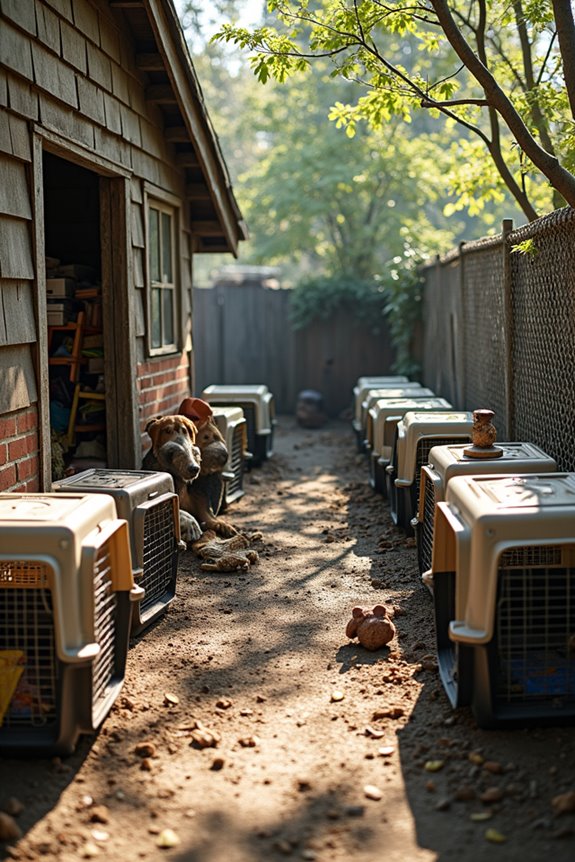
When you’re ready to bring a puppy home, knowing what red flags to watch for can protect your family from heartbreak and potential veterinary expenses. Backyard breeders operate differently from responsible breeders, and recognizing those differences matters.
| Red Flag | What It Means |
|---|---|
| No health testing | Parents haven’t passed OFA clearances or genetic screening |
| Puppies available year-round | No waitlist, constant breeding for profit |
| Won’t let you visit | Breeding happens off-site or stays hidden |
| No buyer screening | They’ll sell to anyone with cash |
Ask breeders tough questions about their dogs’ health records and breeding practices. Responsible breeders welcome scrutiny; backyard breeders avoid it. Pay attention when something feels off about the interaction.
Why Adoption May Be the Smarter Choice
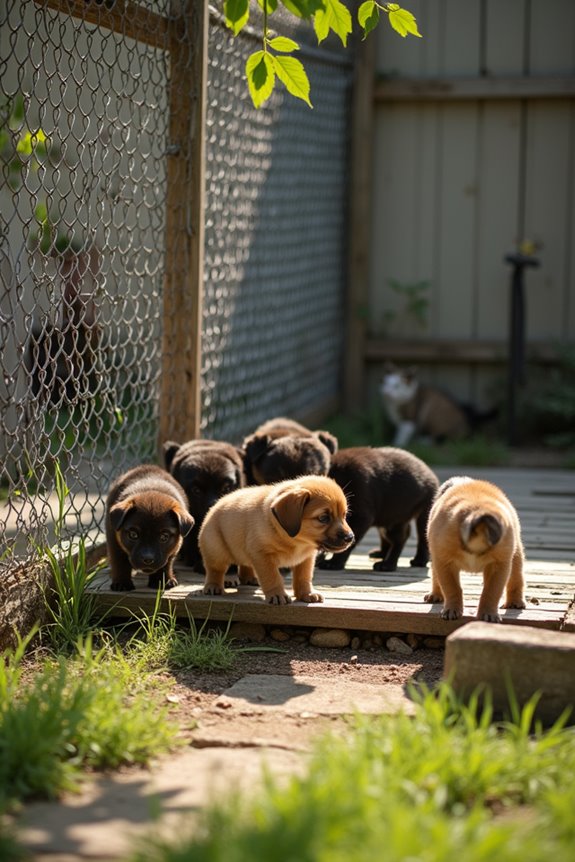
Now that you know what to watch for in a breeder, there’s another path worth considering—one that sidesteps the whole problem entirely. When you adopt, you’re making a direct choice to save a life. Shelters and rescues overflow with dogs needing homes, and your adoption frees up resources for others. You’ll get medical history, behavioral assessments, and transparency—things backyard breeders won’t provide. Adoption addresses the real issue: puppy overproduction strains the entire shelter system, driving up stray and euthanasia rates. By choosing adoption, you’re not just gaining a companion; you’re joining communities of rescuers actively fighting backyard breeding. You’re supporting the organizations working hardest to protect animal welfare. That choice matters.
How to Stop Accidentally Funding Backyard Breeders
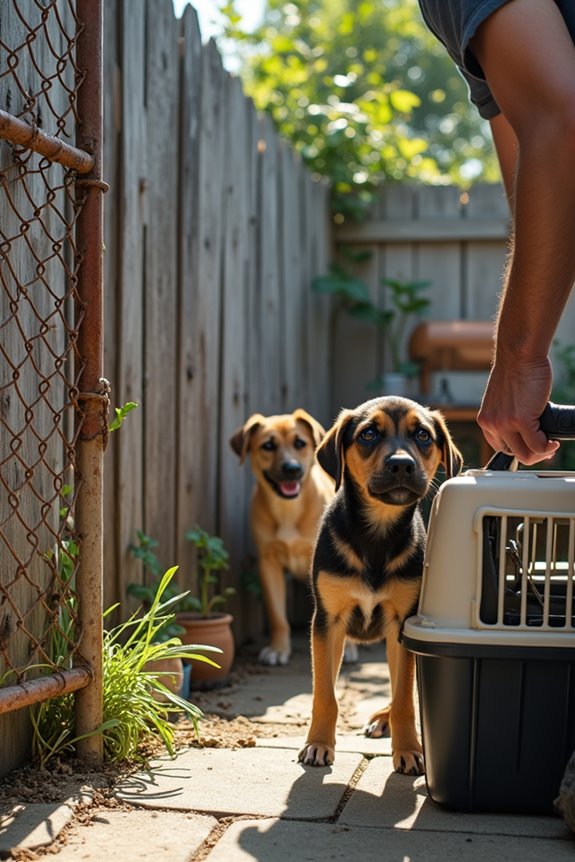
How do you know if your money’s actually going to support good breeding practices or straight into a backyard breeder’s pocket? It’s easier than you’d think to accidentally fund backyard breeders. You’ve got to ask hard questions before buying. Demand health clearances for both parents, going back two generations. Request documentation, not just promises. Watch for red flags: year-round availability, no waiting list, or puppies shipped to you. Real breeders screen buyers carefully and offer written health guarantees with return policies if problems arise. Don’t settle for sellers avoiding transparency. Choose reputable breeders who welcome questions, or adopt from shelters and breed-specific rescues instead. Your choice matters, and your money talks loudly about which practices you’re supporting.