
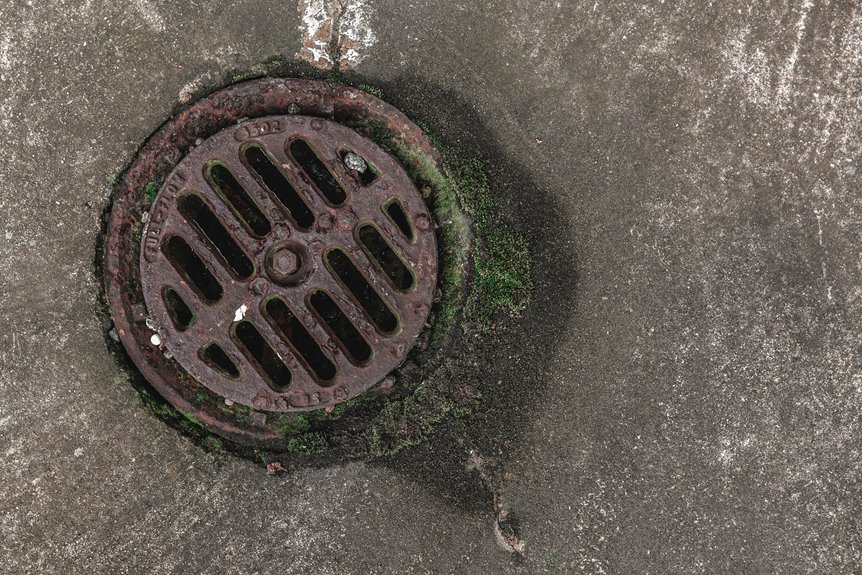
Your bathroom’s sewer smell usually comes from one of three culprits: a dried-out P-trap that’s lost its water seal, a clogged drain trapping bacteria and moisture, or a blocked vent pipe that can’t push gases outside.
Sometimes it’s a failing toilet wax ring letting sewer gas seep in directly.
The good news? Most of these you can fix yourself with baking soda, vinegar, and hot water.
But if DIY attempts don’t work, you might have a cracked sewer line or hidden leak that needs professional tools to diagnose.
Why Your Bathroom Smells Like Sewage
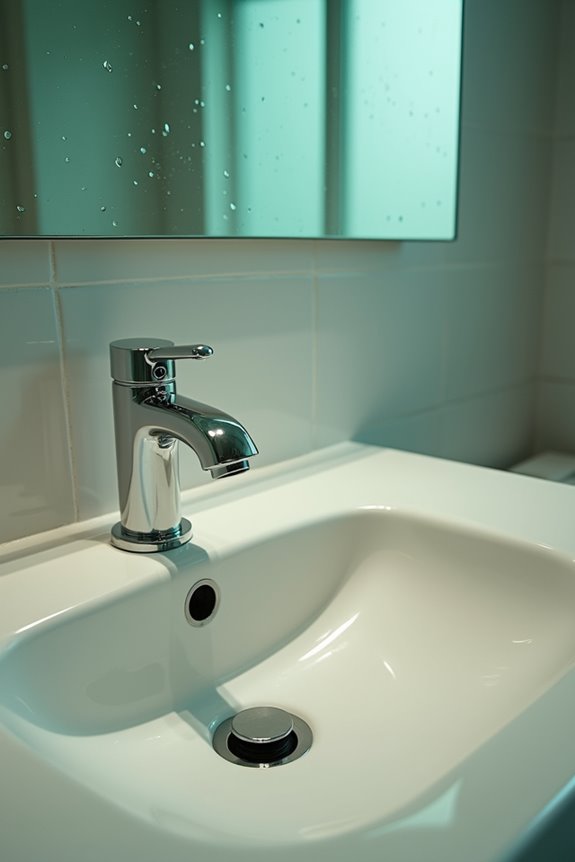
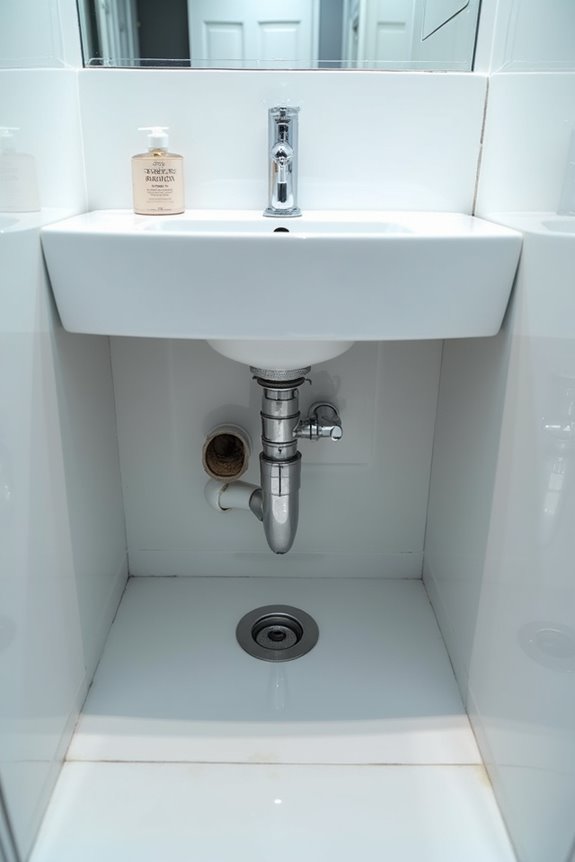
Ever walked into your bathroom and gotten hit with that unmistakable sewer stench? You’re not alone. That awful smell comes from sewer gases escaping into your space, and several culprits could be responsible. A dry P-trap—the U-shaped pipe beneath your sink—loses its water seal when you don’t use fixtures regularly, letting gases seep through. Clogged drains from hair and soap scum trap moisture and bacteria, creating foul odors. Vent blockage prevents proper gas ventilation outside, forcing smells back indoors. A damaged toilet wax seal or cracked sewer line allows direct gas entry. When bathroom odor hits hard, address it promptly. These issues require attention—sometimes a professional plumber’s expertise—to restore fresh-smelling spaces and protect your home’s integrity.
Clogged Drains: Causes, Signs, and How to Clear Them
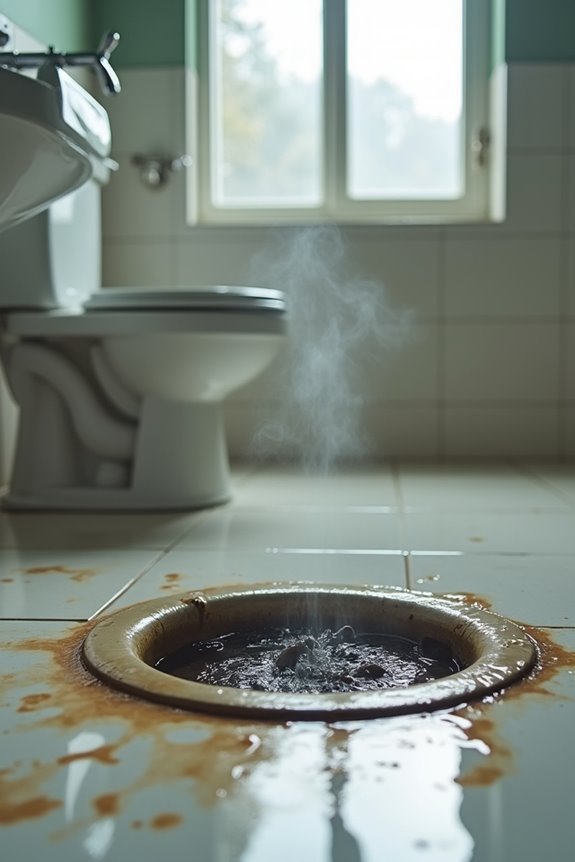
When hair, soap scum, and debris build up in your pipes, they trap moisture and create the perfect environment for bacteria to thrive, which is exactly what’s causing that nasty sewage smell in your bathroom. You’ll notice signs like water draining slower than usual, gurgling sounds when you flush, or that telltale foul odor coming from the drain—and tackling minor clogs yourself with baking soda, vinegar, and hot water can be effective, though stubborn blockages in your main sewer line require a professional with camera inspection equipment to diagnose and fix properly.
Blockage Buildup and Bacteria
Hair, soap scum, and debris—they’re culprits that pile up in your drain over time, and most people don’t realize how quickly this stuff accumulates. When you’ve got a clogged drain, you’re creating the perfect breeding ground for bacteria growth. These microorganisms thrive in moist, trapped environments, metabolizing organic material and producing that unmistakable sewer smell we’re trying to eliminate.
| Problem | Solution |
|---|---|
| Hair and soap scum | Baking soda and vinegar |
| Slow drains | Plunging technique |
| Odor source | Hot water flush |
| Drain blockage | Drain snake |
| Bacterial buildup | Regular maintenance |
Addressing bathroom drains early prevents serious issues. Small blockages persist despite flushing, trapping moisture where bacteria flourish. When you notice slow drains or gurgling noises, that’s your signal—act fast before the sewer smell worsens and bacteria growth intensifies.
Clearing Methods and Solutions
So how do you actually fix a clogged drain once you’ve identified the problem? For minor clogs caused by hair and soap scum, I’d start with a DIY fix. Pour half a cup of baking soda down your drain, followed by a cup of hot water. Let it sit for thirty minutes, then flush with more hot water to clear debris.
If plunging doesn’t work, you’re looking at professional help. A plumber can use a snake or hydro-jetter to break through stubborn blockages. Don’t ignore persistent sewer backup symptoms—tree roots or pipe damage might be involved in your main sewer line. Getting professional intervention early prevents bathroom smells from worsening and protects your home’s plumbing system.
Dry P-Traps: The Most Common Culprit and How to Refill
Ever noticed that your bathroom smells like a sewer even though you’ve cleaned everything? The culprit’s probably your dry P-trap. That U-shaped pipe under your sink holds water that blocks sewer gases from rising into your space. When you don’t use fixtures regularly, evaporation drains this barrier completely, creating a direct pathway for odors.
Here’s the fix: run water in unused sinks and tubs for a minute or two. For toilets, flush them periodically—even weekly works. This refills your trap and restores the water seal that stops sewer gases cold. Think of it like maintenance, not chores. By keeping fixtures active, you’re preventing that nasty bathroom smell from returning. Regular plumbing maintenance keeps everything balanced and fresh.
Blocked Vent Pipes: What They Are and How to Clear Blockages
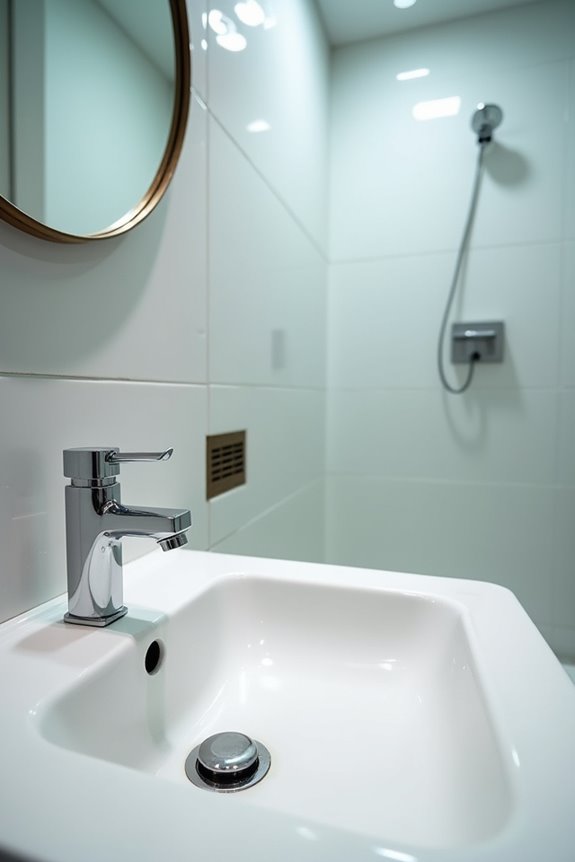
If you’ve ruled out a dry P-trap but your bathroom still reeks, I’d check your vent pipes next—they’re basically your plumbing system’s exhaust, running from your drains up through the roof to release sewer gases outside, and when leaves, debris, or even animal nests clog them, those gases back up into your home instead. You’ll usually spot a blocked vent pretty quickly because you’ll notice all your drains sluggish, not just one, plus you might hear gurgling sounds from your toilets or shower when water drains. The good news is that clearing the blockage yourself is possible if you can safely access your roof, but if you’re uncomfortable getting up there or can’t pinpoint where the vent is, calling a plumber is worth the investment to avoid both the smell and potential water damage.
Identifying Vent Pipe Blockages
What’s actually happening when your drains slow down and your toilet gurgles? You’ve likely got a vent blockage. Your plumbing vent sits on your roof, drawing sewer gases safely outside. When leaves, debris, or animal nests clog this roof vent, gases back up into your home, causing bathroom odor and slow drains.
| Sign | Cause | Solution |
|---|---|---|
| Gurgling drains | Blocked vent traps gases | Clear roof vent debris |
| Slow drain | Pressure buildup restricts flow | Remove blockage |
| Sewer smell | Gas evacuation fails | Restore vent pipe function |
When your whole house drains slowly, it’s frustrating. That gurgling sound indicates your plumbing vent needs attention. A blocked vent forces sewer gases indoors instead of venting them outside, making your bathroom smell bad.
Clearing Blocked Vent Pipes
How do you actually fix a vent pipe that’s stopped working? Here’s what I’ve learned works best.
First, I identify what’s causing the blockage. Common culprits include:
- Leaves and debris clogging your roof vent opening
- Animal nests blocking sewer gases from escaping properly
- Dirt accumulation that creates a vent blockage over time
- Bird nests restricting your plumbing vent completely
For minor clogs, I try clearing the roof vent myself using a plumbing snake. However, if the blockage persists or I’m uncomfortable working at heights, calling a professional plumber makes sense. They’ve got specialized equipment to clear blocked vent pipes safely and verify your venting system functions correctly.
A working roof vent means no more bathroom odor or gurgling drains. Getting your clogged vent cleared restores proper drainage and prevents sewer gases from backing up inside your home.
Is Your Toilet’s Wax Ring Failing? Diagnosis and Replacement
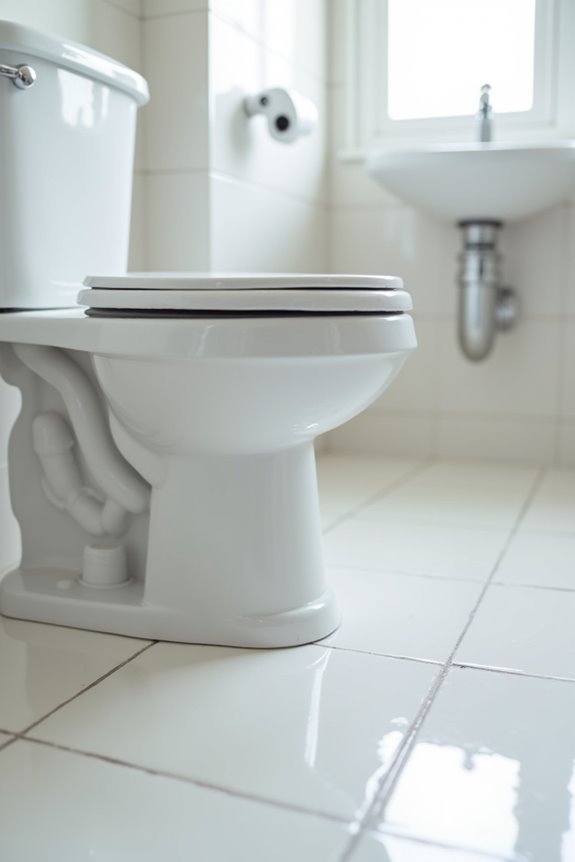
Your toilet’s wax ring—that waxy seal sitting between your toilet’s base and the drain opening—is probably the last thing you think about until something goes wrong. When it fails, sewer gases escape into your bathroom, creating that unmistakable smell. You might notice water pooling around the toilet base or detect a stronger bathroom odor near the toilet.
Diagnosing the problem is straightforward. Shut off the water, flush to empty the bowl, then lift the toilet straight up to inspect the wax seal. Look for deterioration or wobbling that indicates improper sealing.
Replacement requires removing the toilet, scraping away old wax, installing a new wax ring, resecuring everything, and applying caulk around the base for stability. If you’re uncomfortable tackling this yourself or the sewer smell persists after resealing, hire a professional plumber to confirm the toilet seal and complete installation properly.
Finding Hidden Leaks Behind Walls and Under Floors
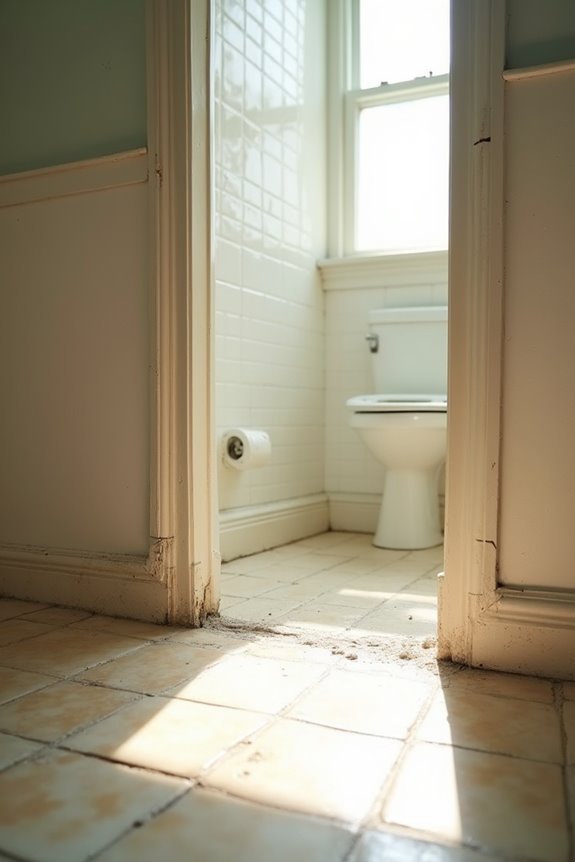
Sometimes the worst bathroom odors aren’t coming from where you’d expect—they’re lurking behind your walls and under your floors, silently wreaking havoc where you can’t see them. Hidden leaks create persistent moisture that breeds mold, wood rot, and that nasty sewer smell you’re battling.
Hidden leaks lurking behind walls and floors breed mold, wood rot, and persistent sewer smells you can’t ignore.
Watch for these telltale signs:
- Damp drywall or discolored patches spreading across walls
- Peeling paint that won’t stay put, no matter how many times you refresh
- Warped flooring that feels squishy underfoot
- Water bills climbing without explanation
A professional plumber uses electronic leak detectors and infrared thermography to pinpoint concealed leaks lurking behind surfaces. They’ll identify cracked pipes or failed wax rings causing moisture behind walls. Addressing these hidden sources tackles bathroom odors at their source, stopping mold growth and preventing expensive waterproofing repair down the road.
DIY Solutions for Common Bathroom Odor Sources
While professional plumbers handle the hidden culprits lurking behind your walls, plenty of bathroom odor problems are sitting right under your nose—and I can tackle most of them myself without calling in reinforcements. A dry P-trap is often the culprit, so I run water regularly in unused fixtures to maintain that essential seal against sewer gases. For clogged drains causing bacterial growth and foul smells, I grab a drain snake or plunger to clear the blockage. I also check my toilet’s wax ring for damage, since a broken seal lets sewer gases seep through. When I suspect microbial growth inside the P-trap itself, I pour baking soda down the drain, follow it with vinegar, then flush thoroughly. These simple steps address most bathroom odor sources without professional help.
Signs You Need a Professional Plumber
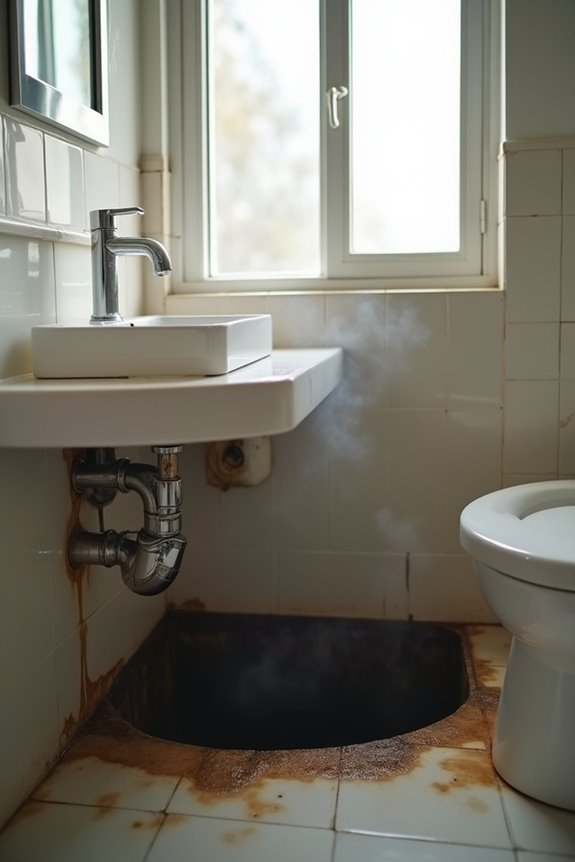
When does a bathroom odor stop being a DIY problem and start being a red flag that demands professional help?
Here’s when you should call a pro:
- Persistent odors after your DIY attempts fail — you’ve tried everything, yet that sewer smell lingers stubbornly
- Pooling water or gases around your toilet base — these signal a compromised wax ring or floor flange needing verification
- Gurgling drains, slow drainage, or suspected hidden leaks — problems lurking behind walls or under flooring require expertise
A professional plumber uses tools you don’t have: camera inspection for blockages and root intrusion, smoke testing to trace elusive leaks, and gas detectors pinpointing sewer gas sources. They’ll inspect your wax seal, dry P-trap, and vent pipe systematically. Pressure tests reveal what surface symptoms can’t show. When you’re frustrated and stuck, professionals access the answers DIY fixes simply can’t reach.
Diagnosing Sewer Line Problems That Cause Bathroom Odors
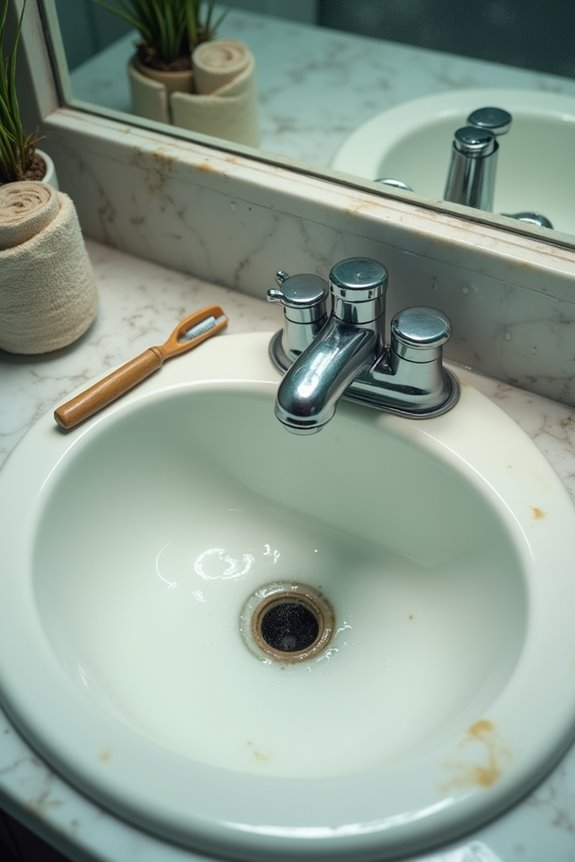
How do you know whether that stubborn sewer smell is hiding a simple clog or signaling something far worse lurking beneath your home? Professional plumbers use camera inspections to peer directly into your pipes, revealing cracks, blockages, and tree roots invading your sewer line. They’ll also perform smoke testing, which identifies leaks by introducing colored smoke—if it escapes elsewhere, you’ve found your problem. Slow drains and gurgling sounds across multiple fixtures suggest sewer line problems or venting issues causing sewer gas backups and toilet odor. Tree roots commonly create blockages requiring hydrojetting or pipe replacement rather than basic snaking. This distinction matters: a simple clog needs hydrojetting, while actual damage demands pipe replacement. Understanding what’s happening beneath your bathroom prevents costly mistakes and gets your home smelling right again.
Preventing Sewer Smells Before They Start
Now that you understand what’s happening in your pipes, you can stop problems before they start—and honestly, prevention beats dealing with that awful smell any day.
I’ve found these strategies work best:
- Keep your P-traps filled with water by using drains regularly; repriming infrequently used drains prevents sewer odors from sneaking back up
- Install drain strainers to catch debris before bacteria growth creates nasty smells and blockages
- Use drain seals on rarely-used fixtures, protecting against odors while maintaining drainage function
- Schedule professional inspections every 2–3 years (annually if your home’s older than 40), including camera inspections to catch root intrusion or deterioration early
Regular maintenance and water priming keep your vent pipes functioning properly. These simple steps protect your bathroom from sewer smells, saving you frustration and money down the road.